


Photography has the power to do more than capture a moment—it can preserve dignity, build understanding, and help people feel seen. For photographer Aaron Anderson, that responsibility guides every project he takes on.
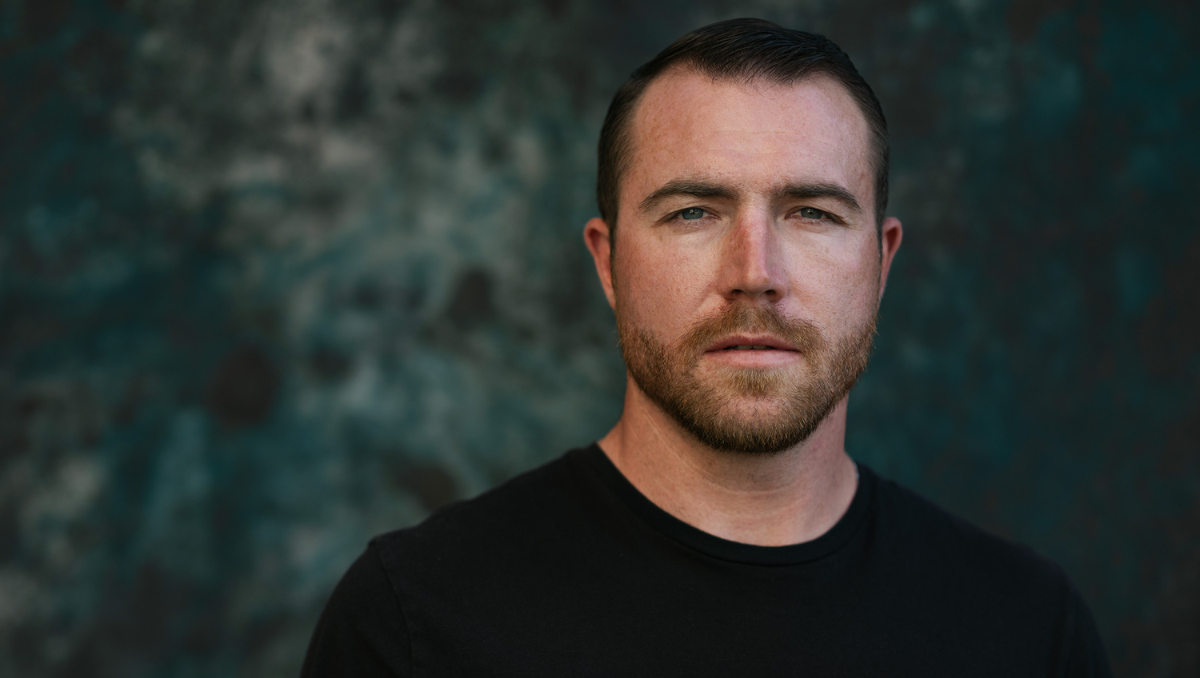
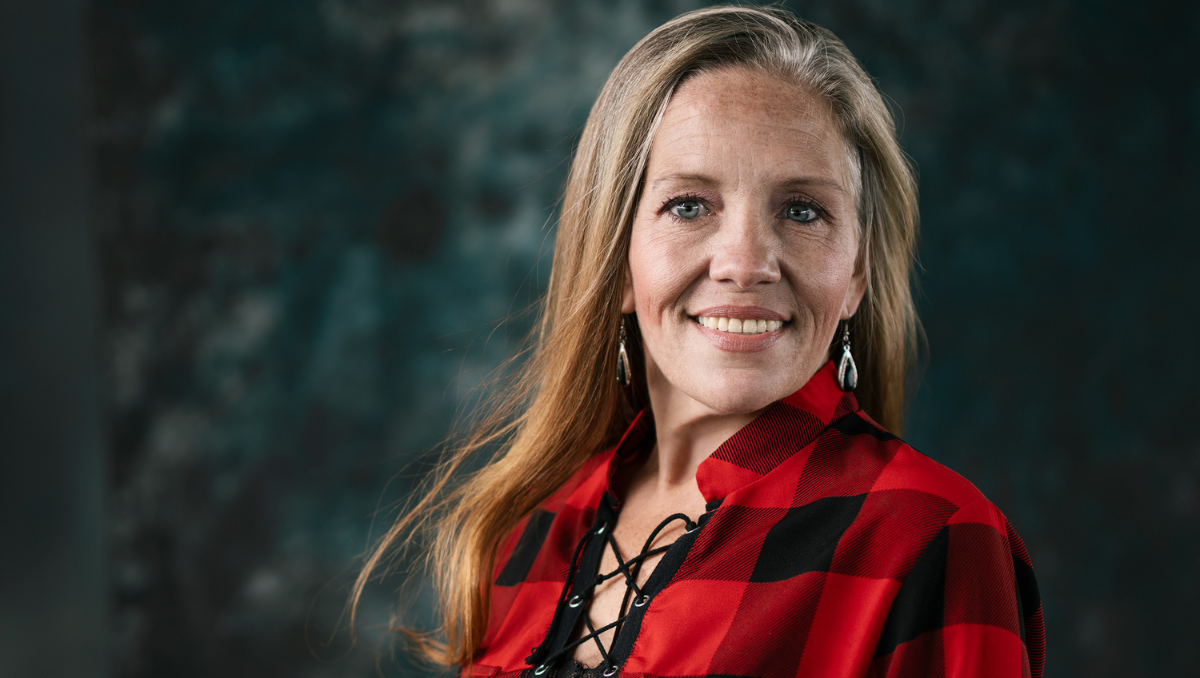
In his recent work with Springs Rescue Mission, Aaron focused not on spectacle, but on presence documenting individuals with care, respect, and an emphasis on the stories behind each face.
Photographing with Purpose
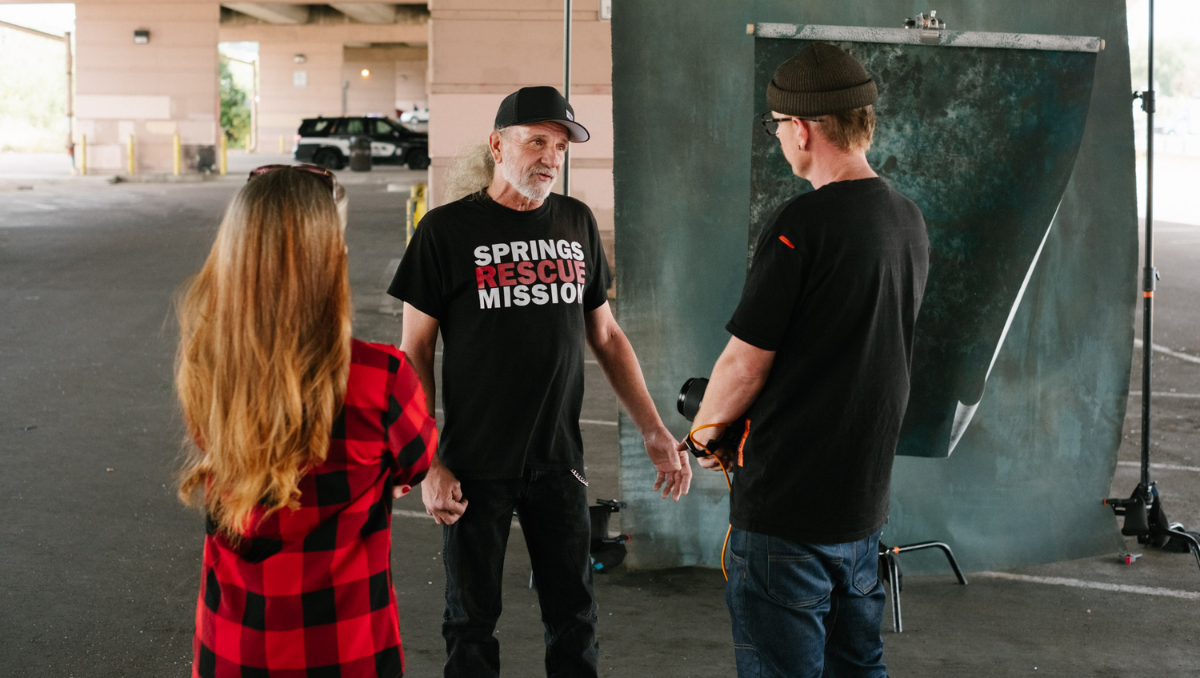
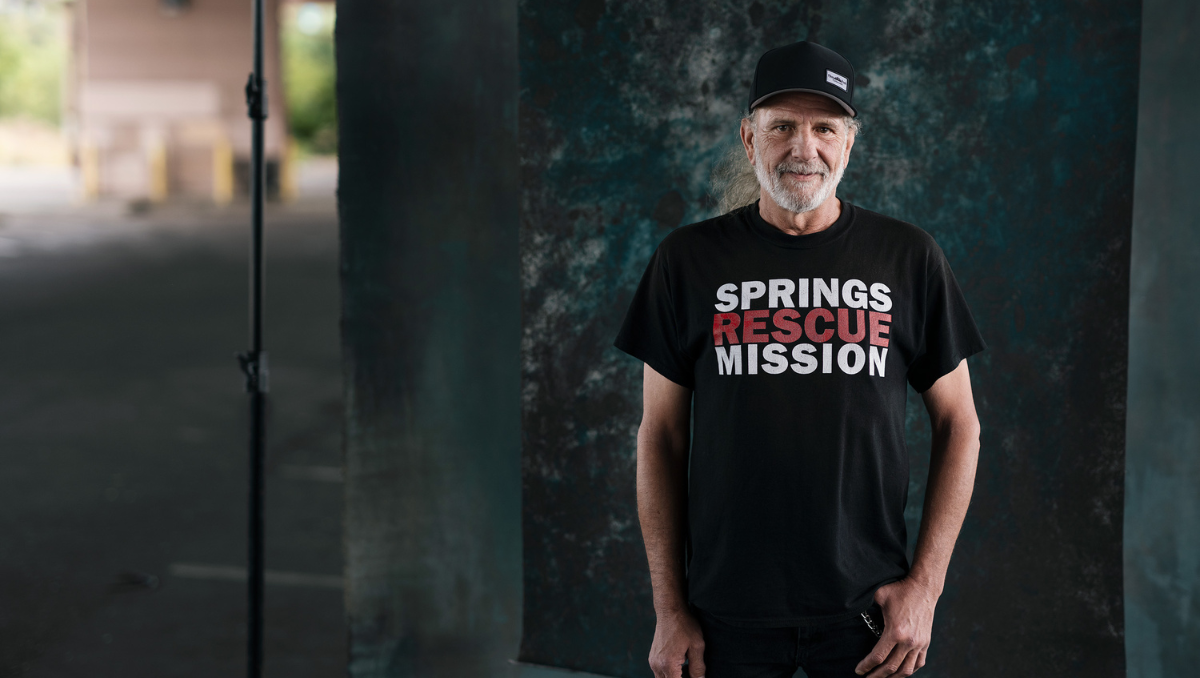
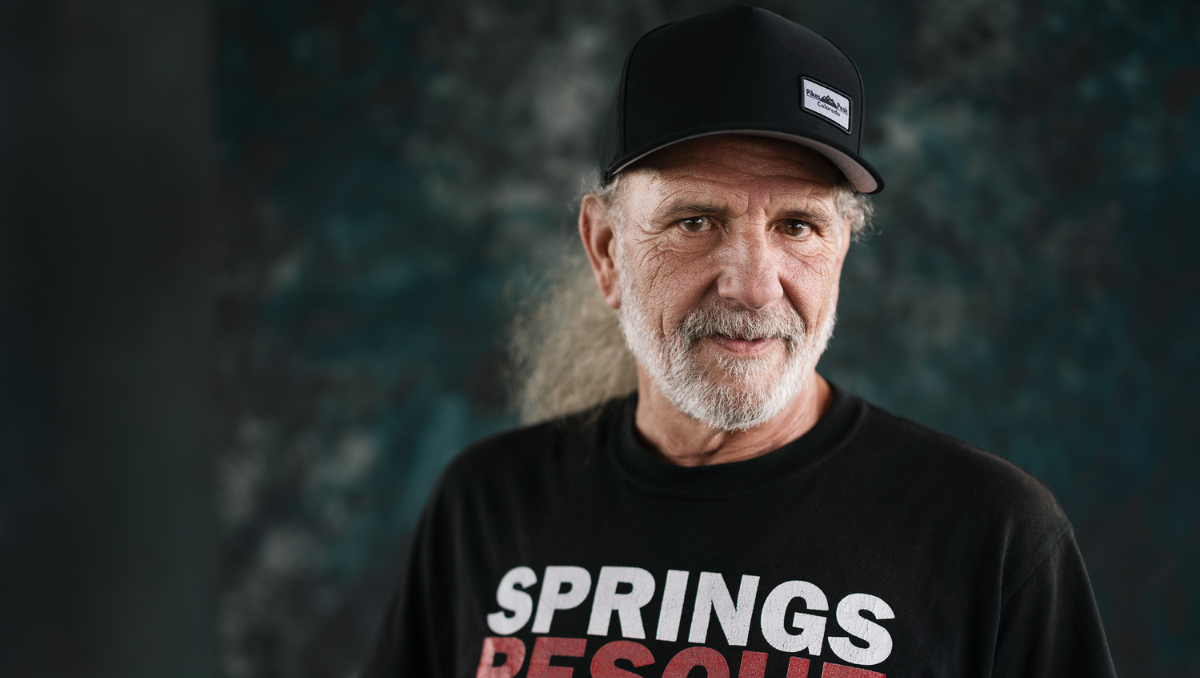
Springs Rescue Mission serves individuals and families experiencing homelessness, providing meals, shelter, and pathways to long-term stability. When Aaron stepped into this environment, his approach was intentionally quiet and respectful. Each portrait session became a collaboration rather than a transaction—an exchange built on trust.
Humanitarian photography demands patience and sensitivity. Subjects are not performers. They are people, often sharing deeply personal experiences. Aaron’s role was not to direct, but to listen—to create space where individuals could be seen on their own terms.
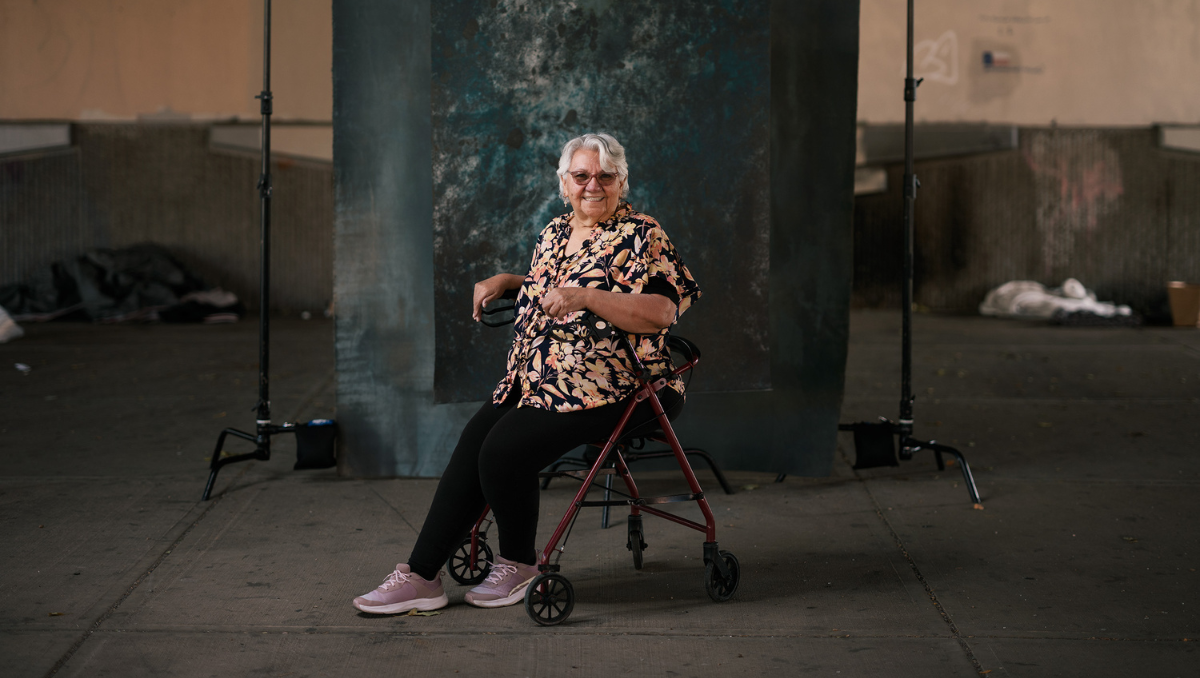
The resulting images reflect that philosophy. They feel grounded, honest, and human. No distractions. Just presence.
Why Workflow Matters in Humanitarian Work
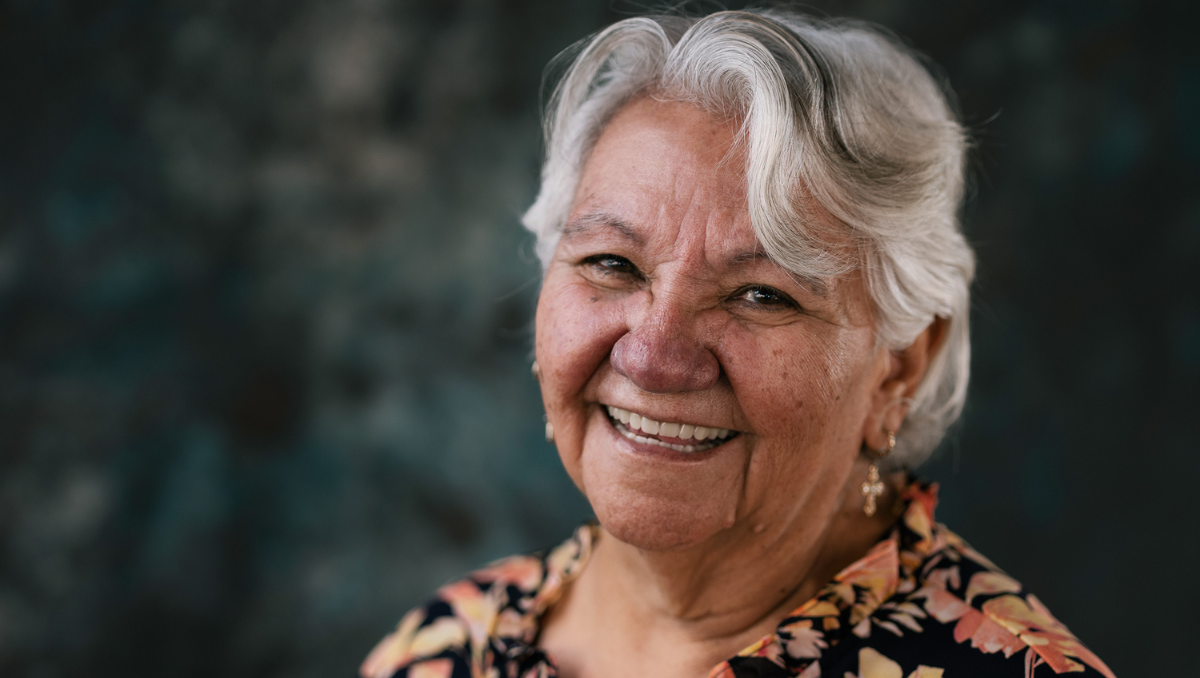
In emotionally charged environments, how a photographer works can directly influence the experience of the people in front of the camera.
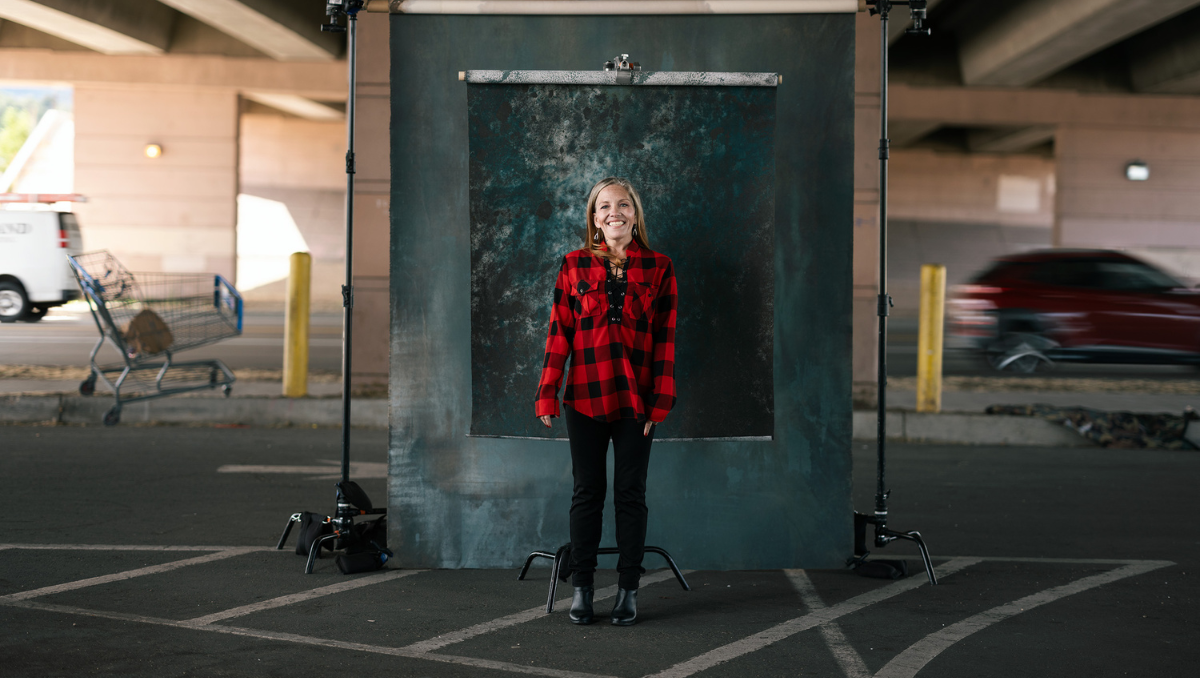
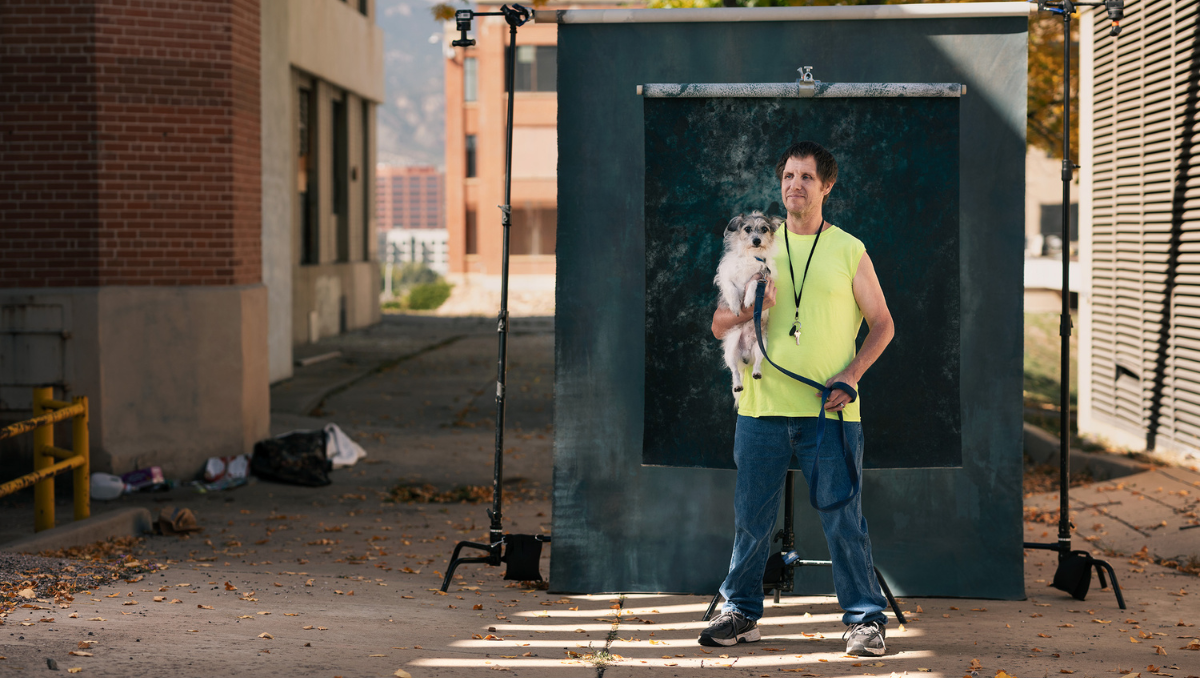
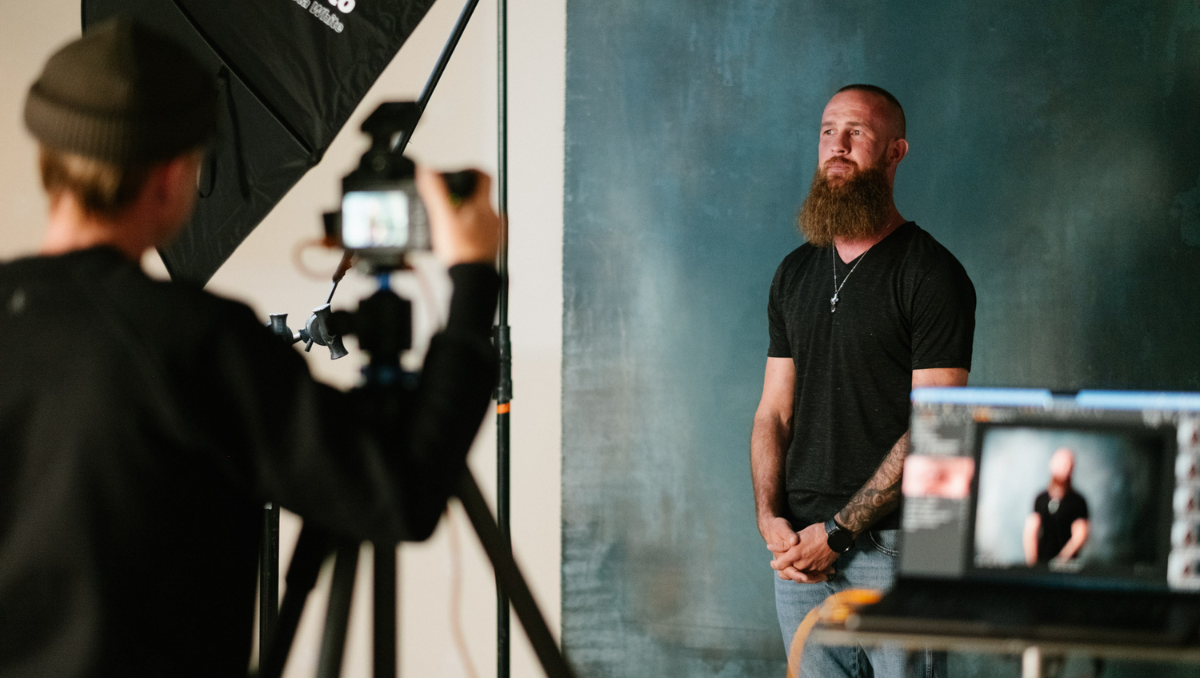
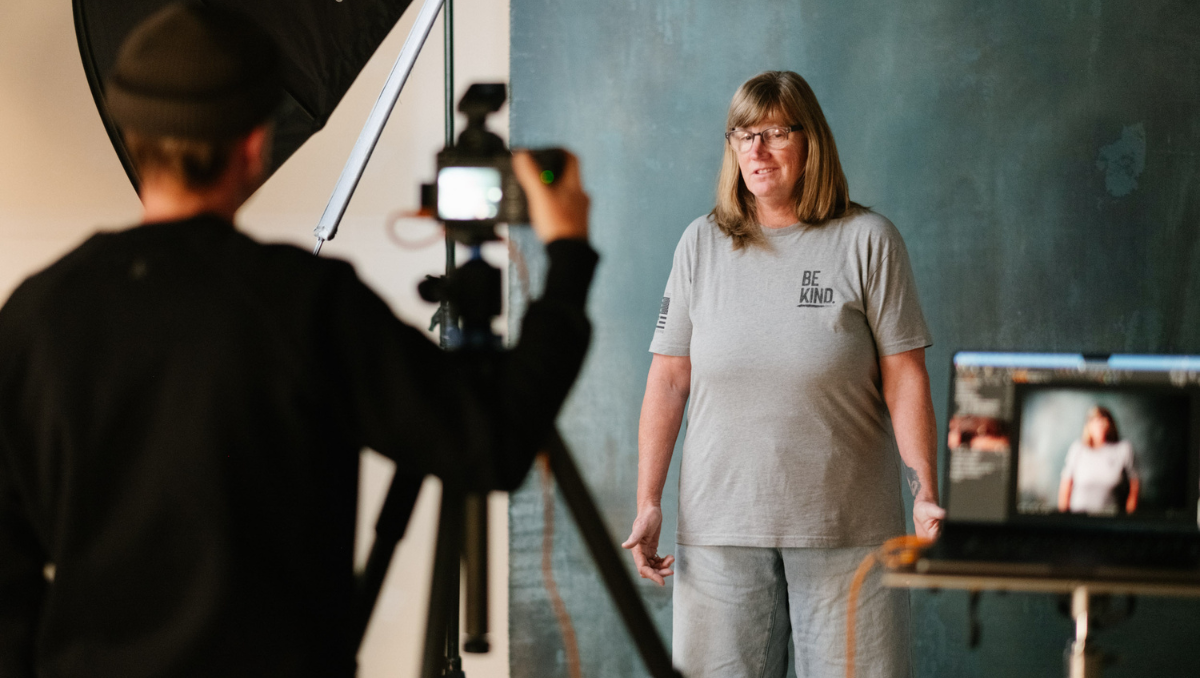
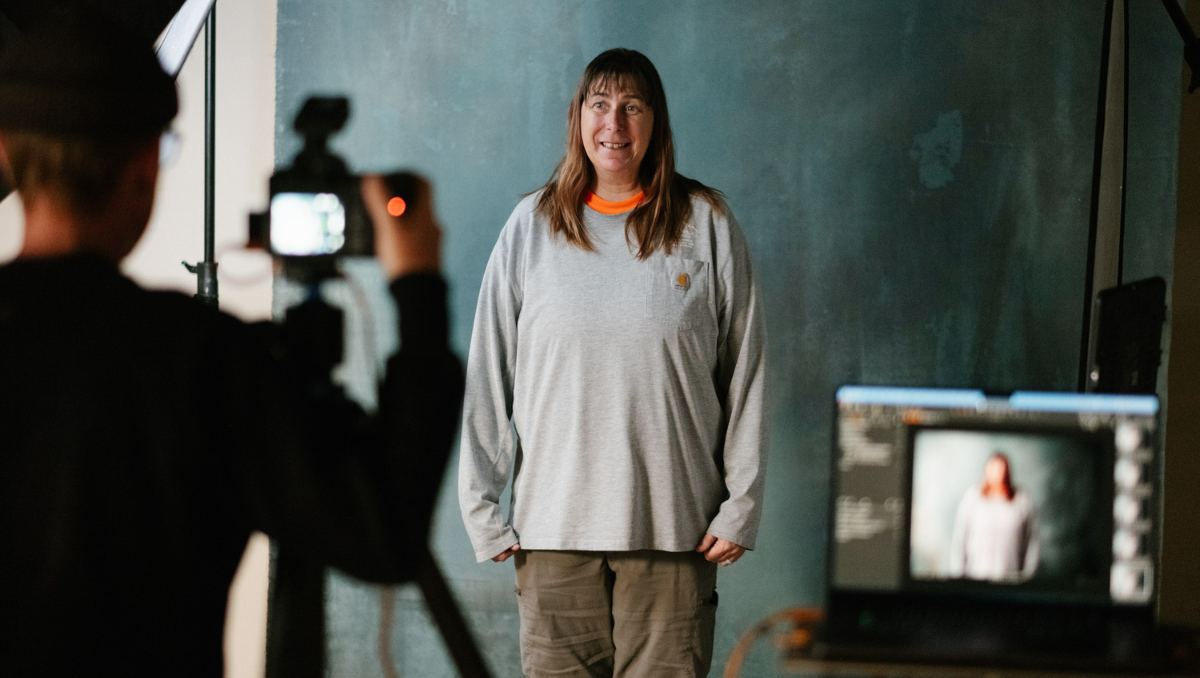
Aaron’s workflow is designed to support—not interrupt—the moment. Staying organized, efficient, and adaptable allows him to remain engaged with his subjects rather than focused on technical hurdles. For this project, Aaron incorporated the AeroTrac Workstation System into his setup.
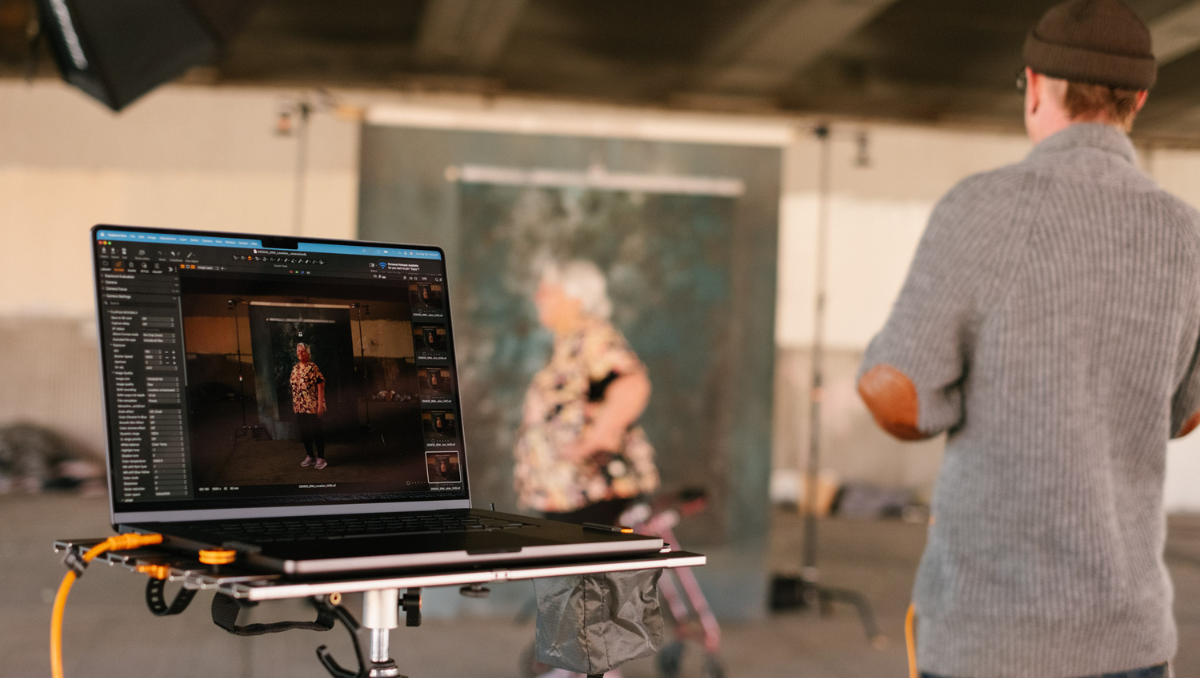
Rather than drawing attention, the workstation served as a quiet foundation:
- A stable platform for image review and collaboration
- A flexible, portable setup that could be deployed wherever the subjects were
- A workstation that moved seamlessly from indoors to outdoors and between locations
- A setup that allowed the photographer to stay present with the subject, without pauses for equipment adjustments
When working with vulnerable communities, every pause matters. A streamlined workflow helps ensure the camera never becomes a barrier between photographer and subject.
Collaboration, Transparency, and Trust
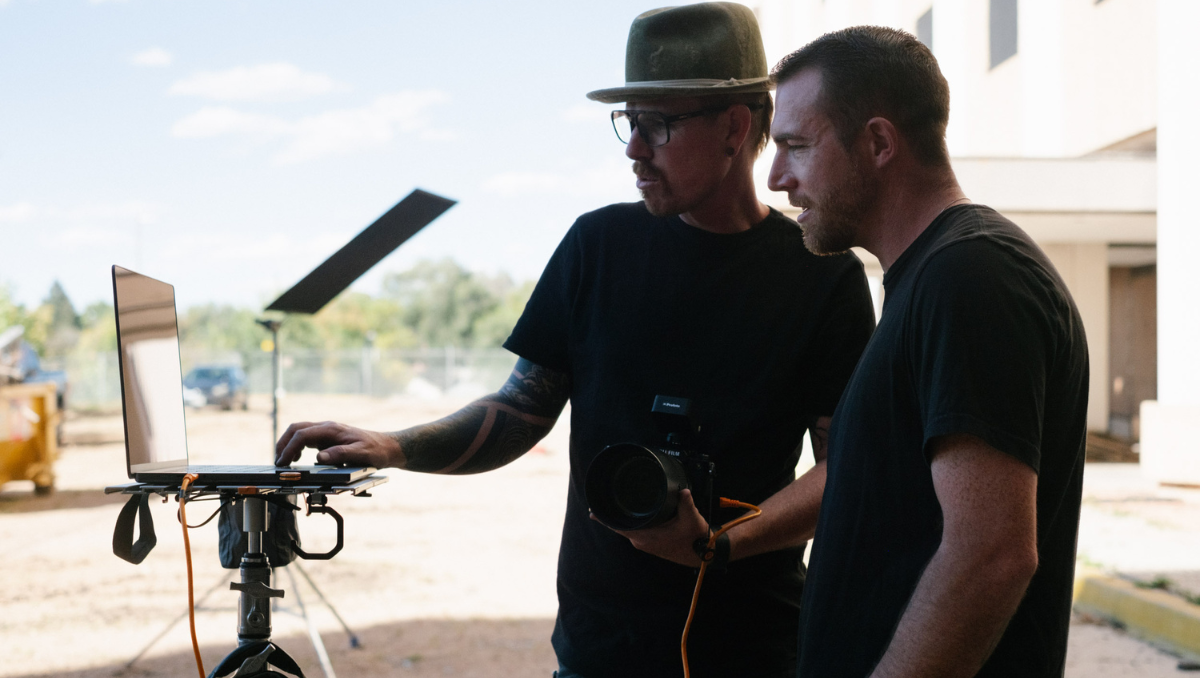
One of the most powerful aspects of tethered workflows in humanitarian projects is the ability to share images in real time. Reviewing photographs together invites subjects into the process—allowing them to see themselves, offer feedback, and feel ownership over how their story is told.
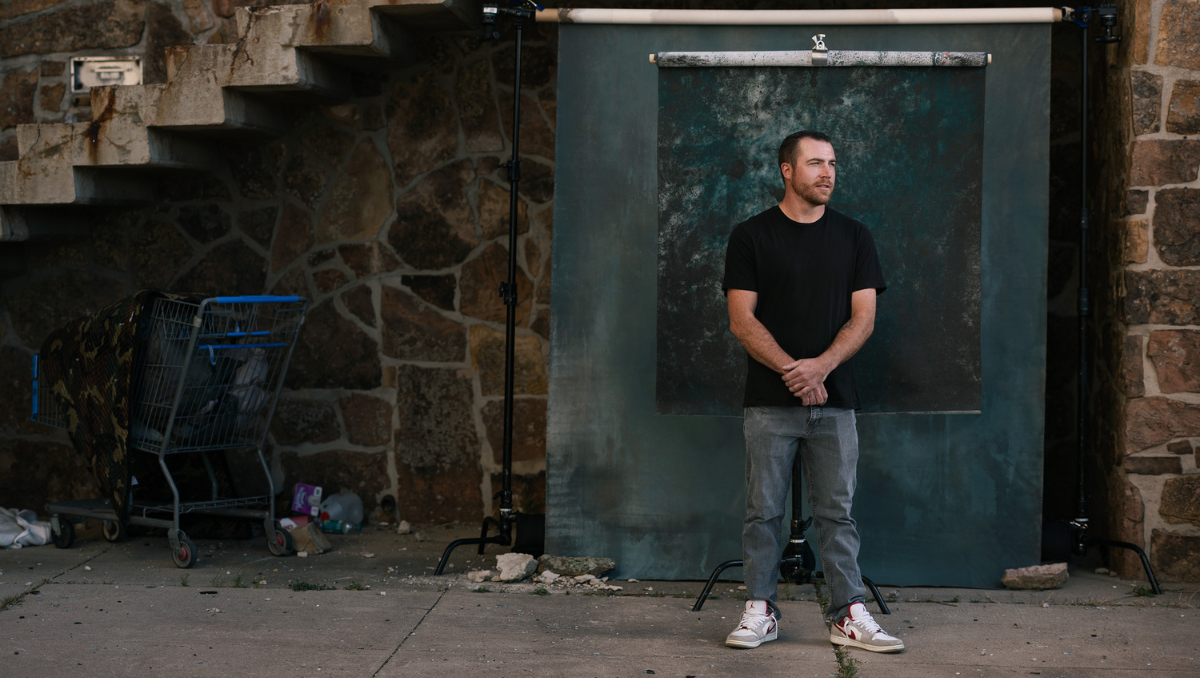
This transparency reinforces trust. It turns documentation into dialogue.
Aaron’s use of a mobile workstation supported this collaborative approach, enabling conversations to happen naturally and respectfully within the flow of the shoot.
Images That Serve a Greater Mission
The final photographs from this project are more than portraits—they are tools for advocacy. They help Springs Rescue Mission communicate its impact, connect with supporters, and humanize the people it serves.
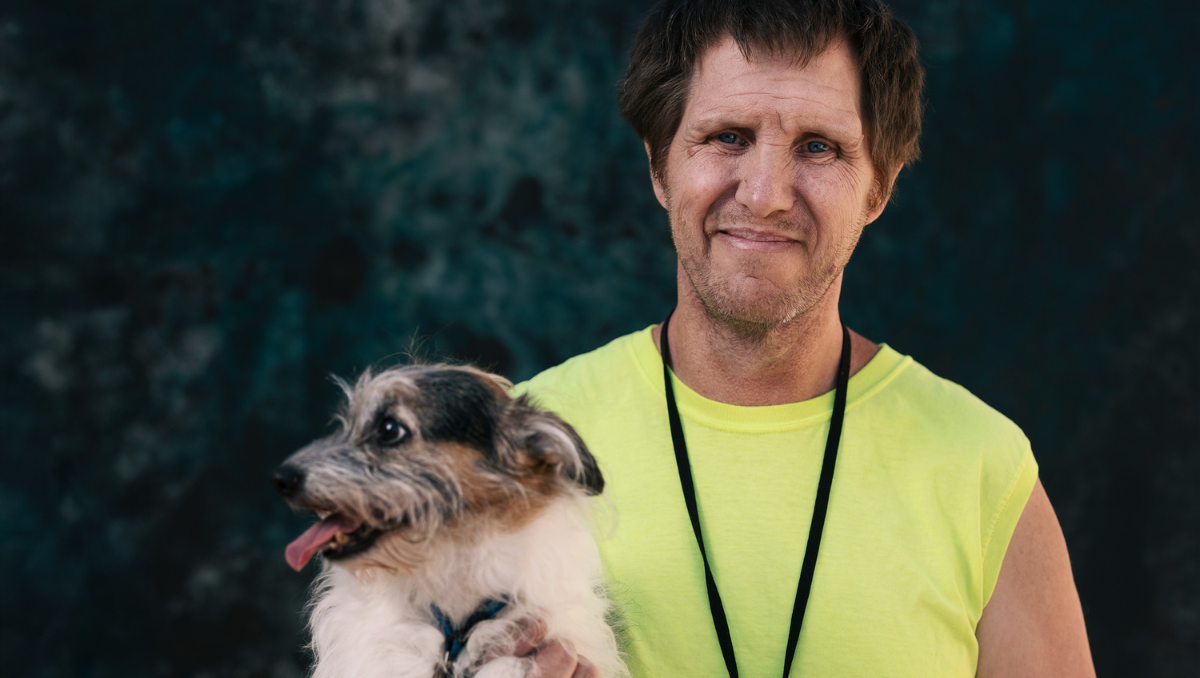
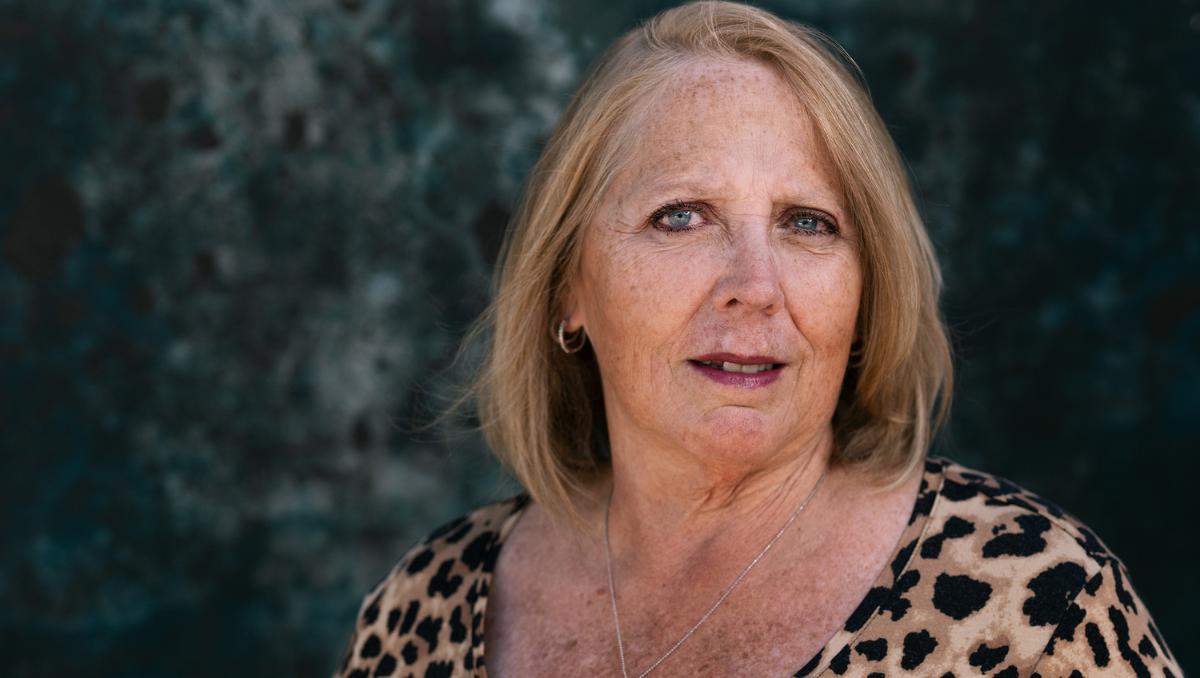
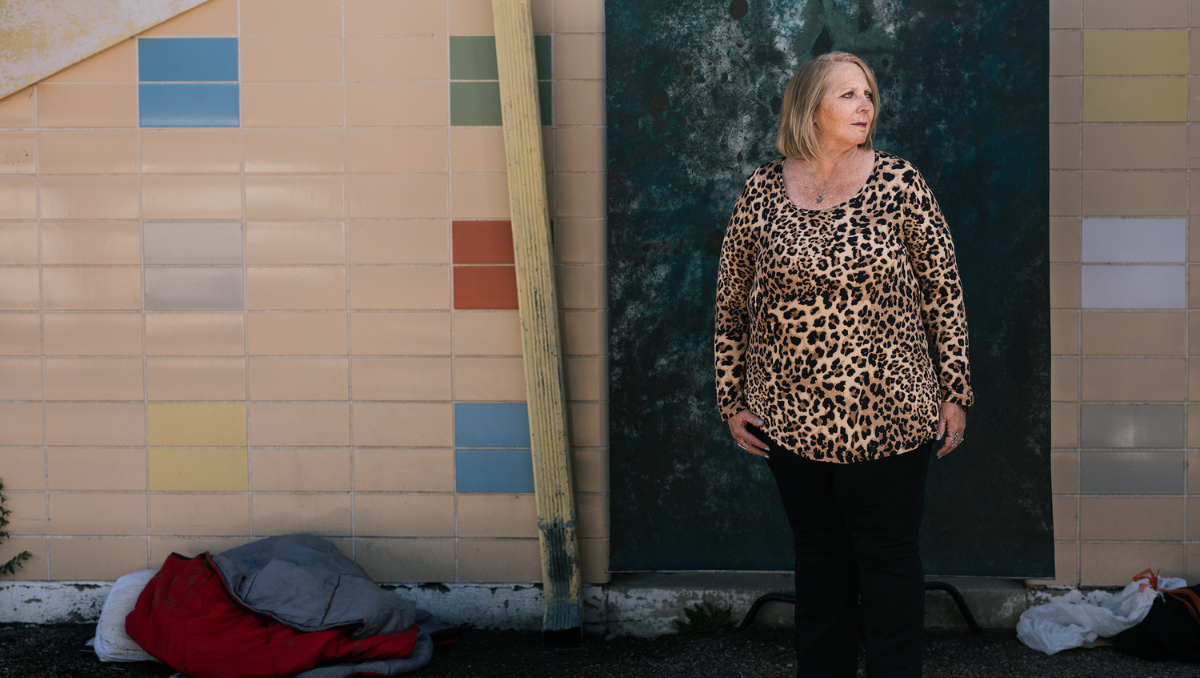
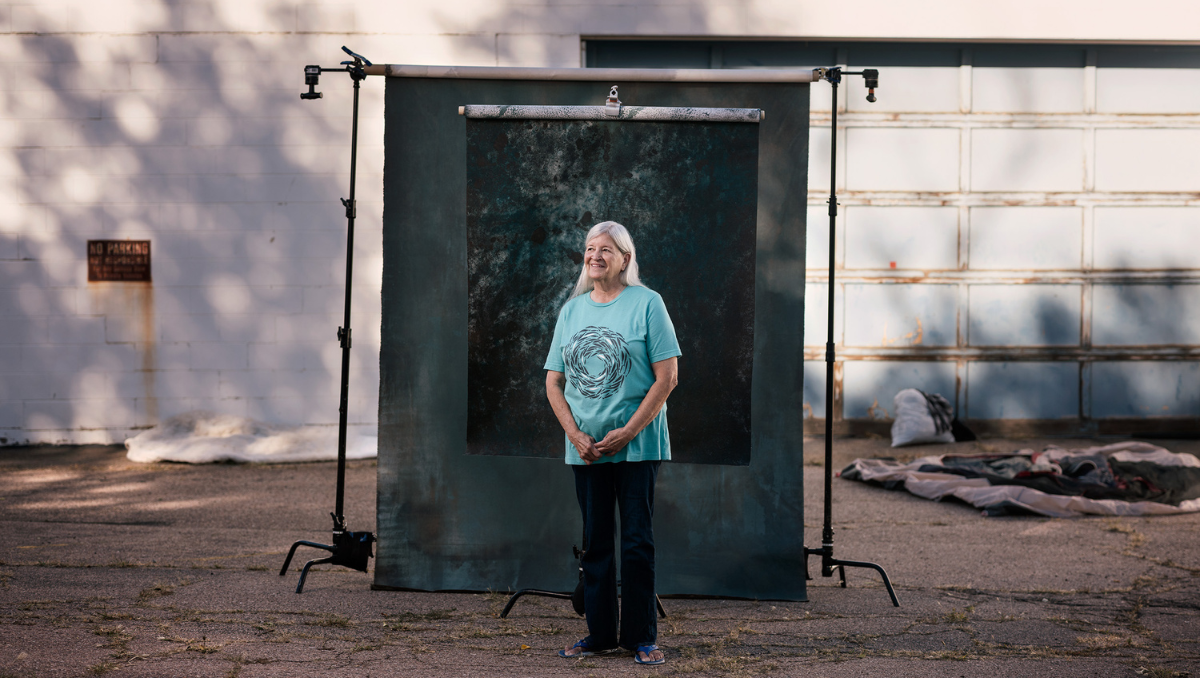
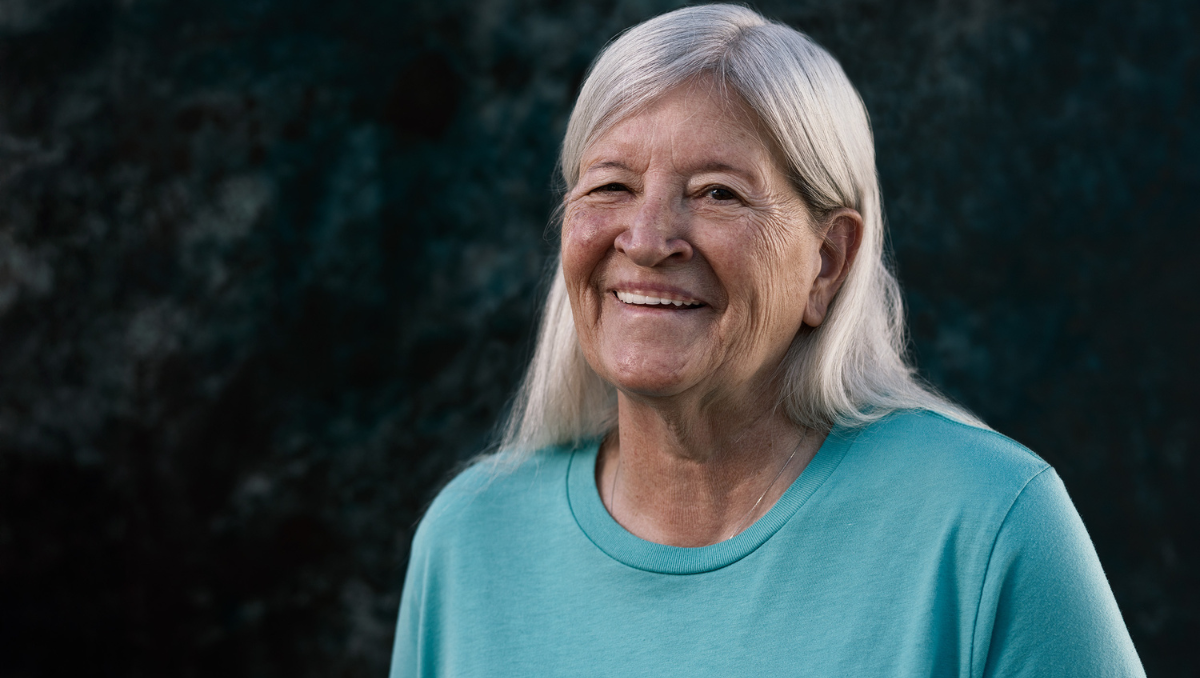
For Aaron, that’s the ultimate measure of success: when images move beyond aesthetics and become part of something larger.
“The goal isn’t just to make a strong photograph,” Aaron shares. “It’s to make something that helps.”
Supporting the Story—Without Overshadowing It
At Tether Tools, we believe the best gear is the kind that disappears into the process. Tools should empower photographers to stay focused on the work that matters especially when that work carries real human weight.
The resulting images reflect that philosophy. They feel grounded, honest, and human. No distractions. Just presence.
