


Every photographer deserves a camera setup that works for them. At Hopelynd’s Viewfinder Walk & Roll in Grand Rapids, Tether Tools arms, clamps, and mounts helped bring cameras within reach and make photography more accessible. The experience showed what becomes possible when the setup is built around the person who will use it.
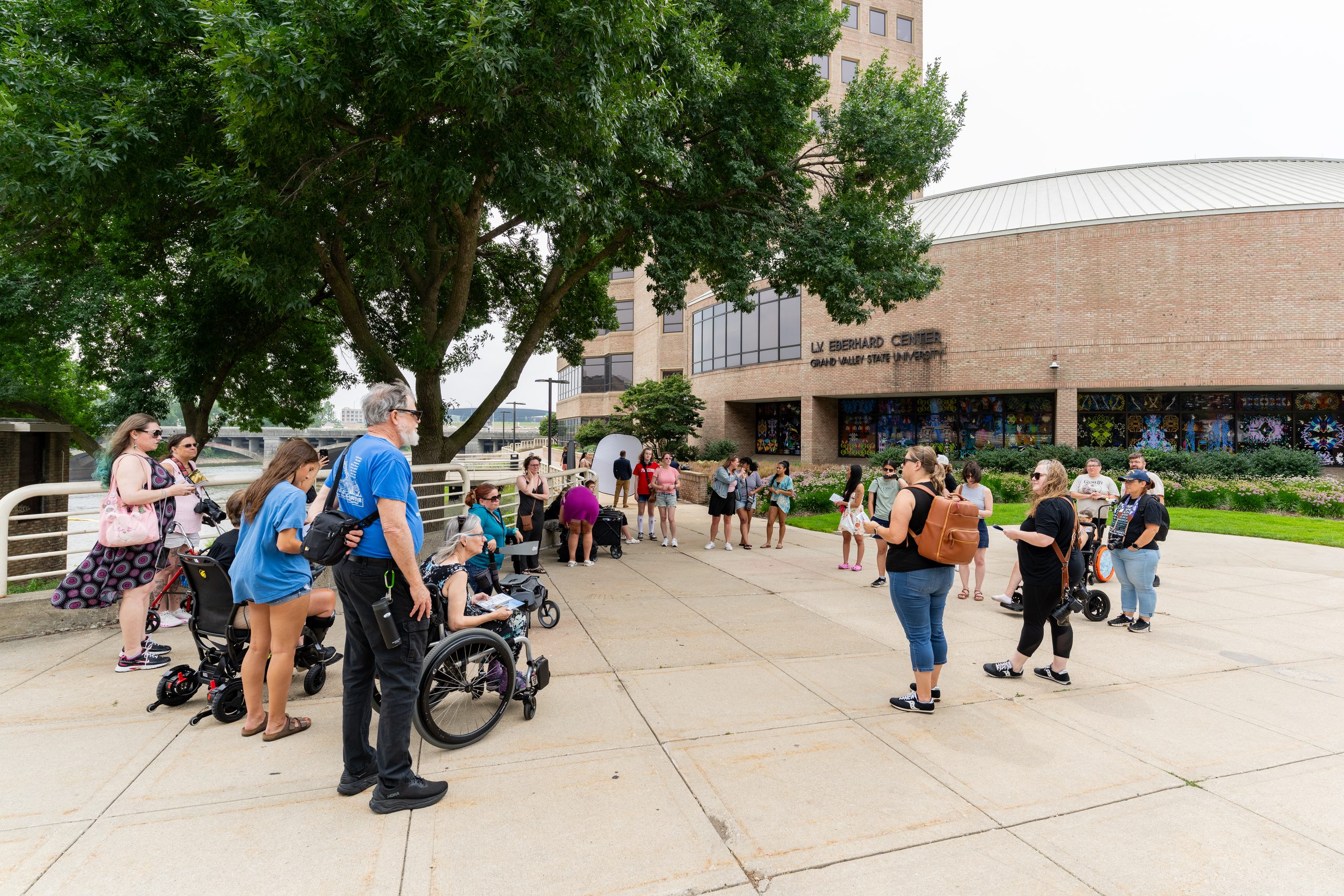
A photo walk designed for participation
Hopelynd is a Grand Rapids nonprofit founded by photographers Kellie Hetler and Kara Hanes, both mothers to daughters with disabilities. Its work combines photography, art, and education to celebrate the disability community and help photographers serve people with greater understanding.
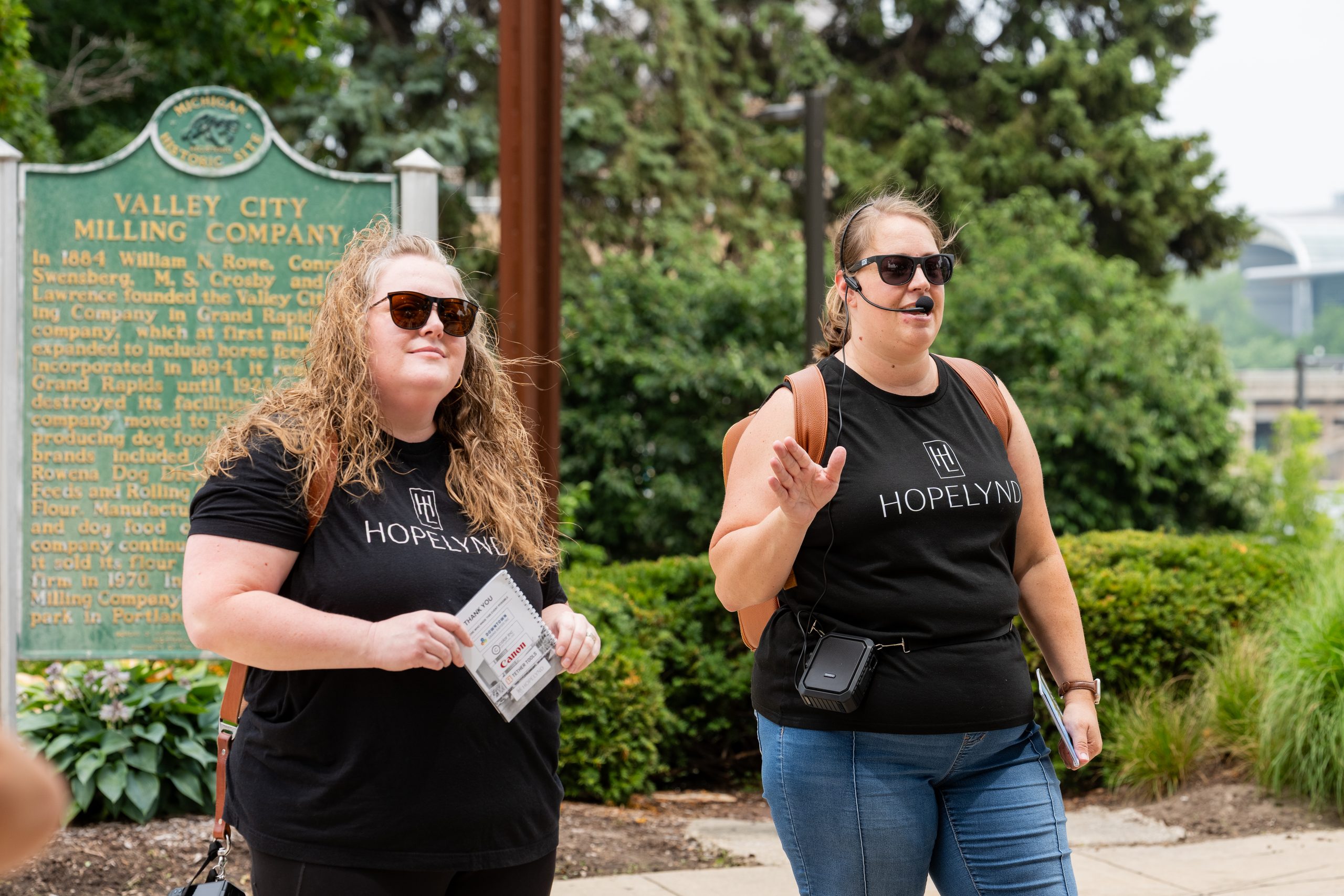
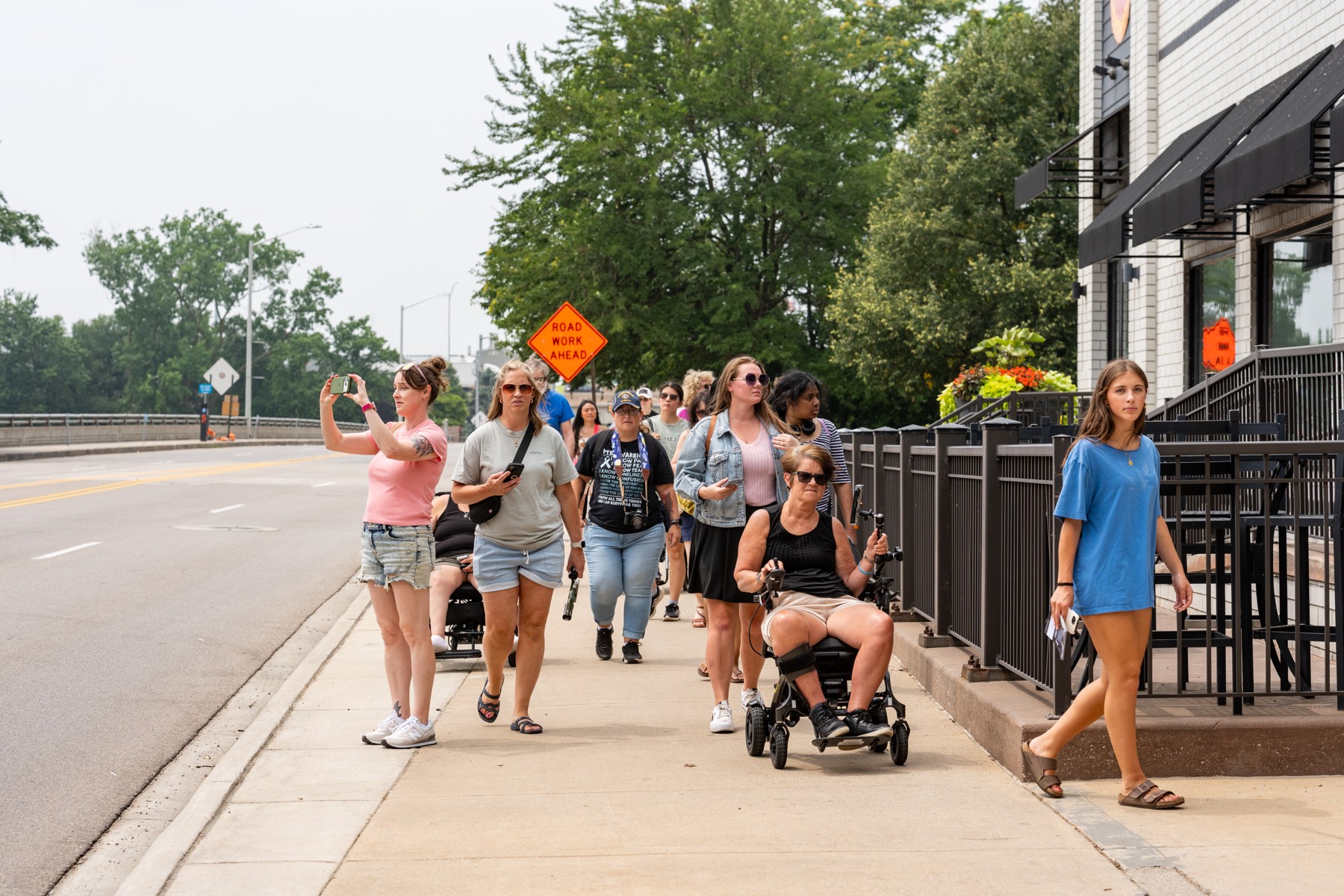
The Viewfinder Event brought that mission behind the camera. The July 2026 Walk & Roll invited people with disabilities to explore downtown Grand Rapids through photography, with accessible routes, sensory-friendly pacing, and instruction welcoming different ages and experience levels.
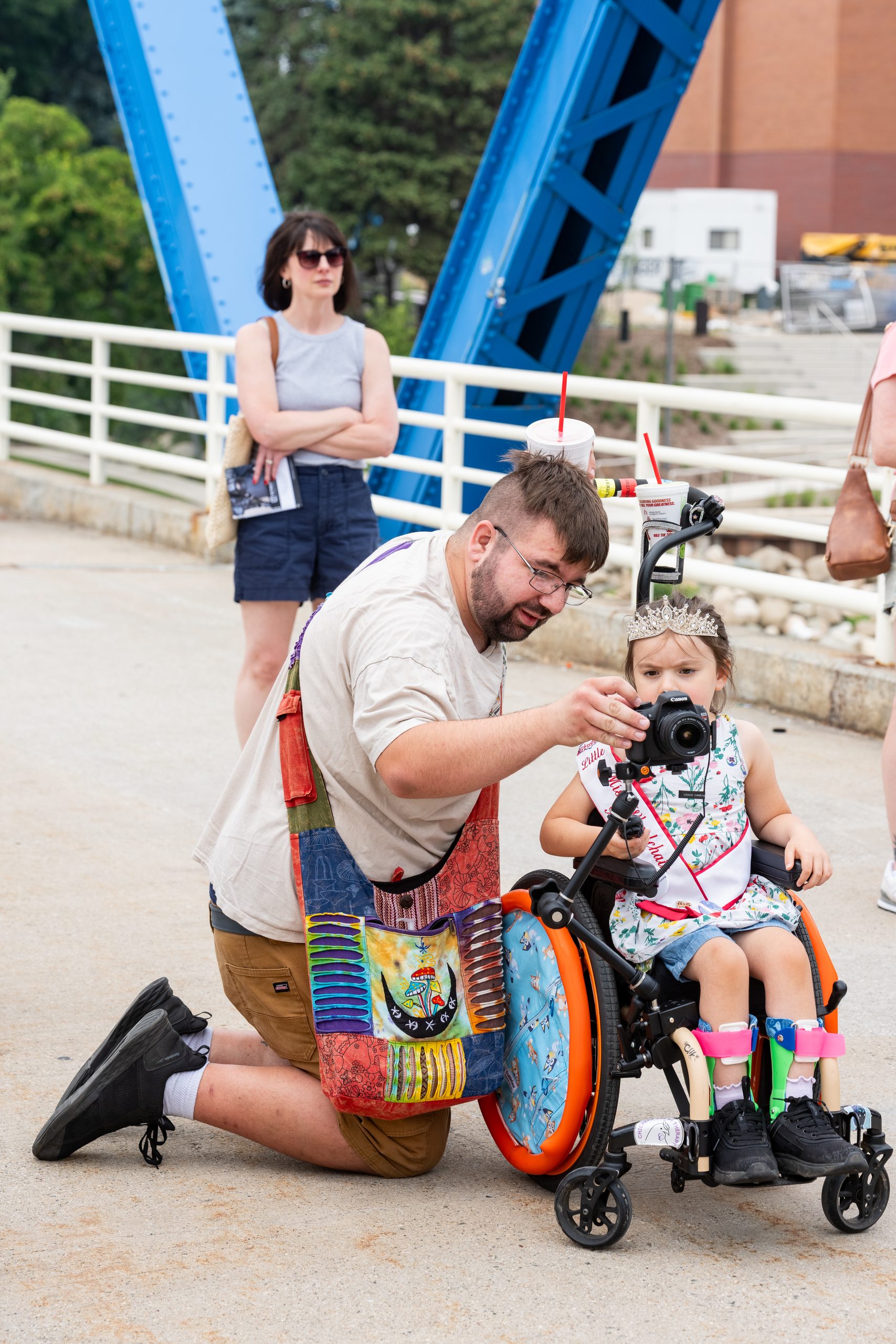
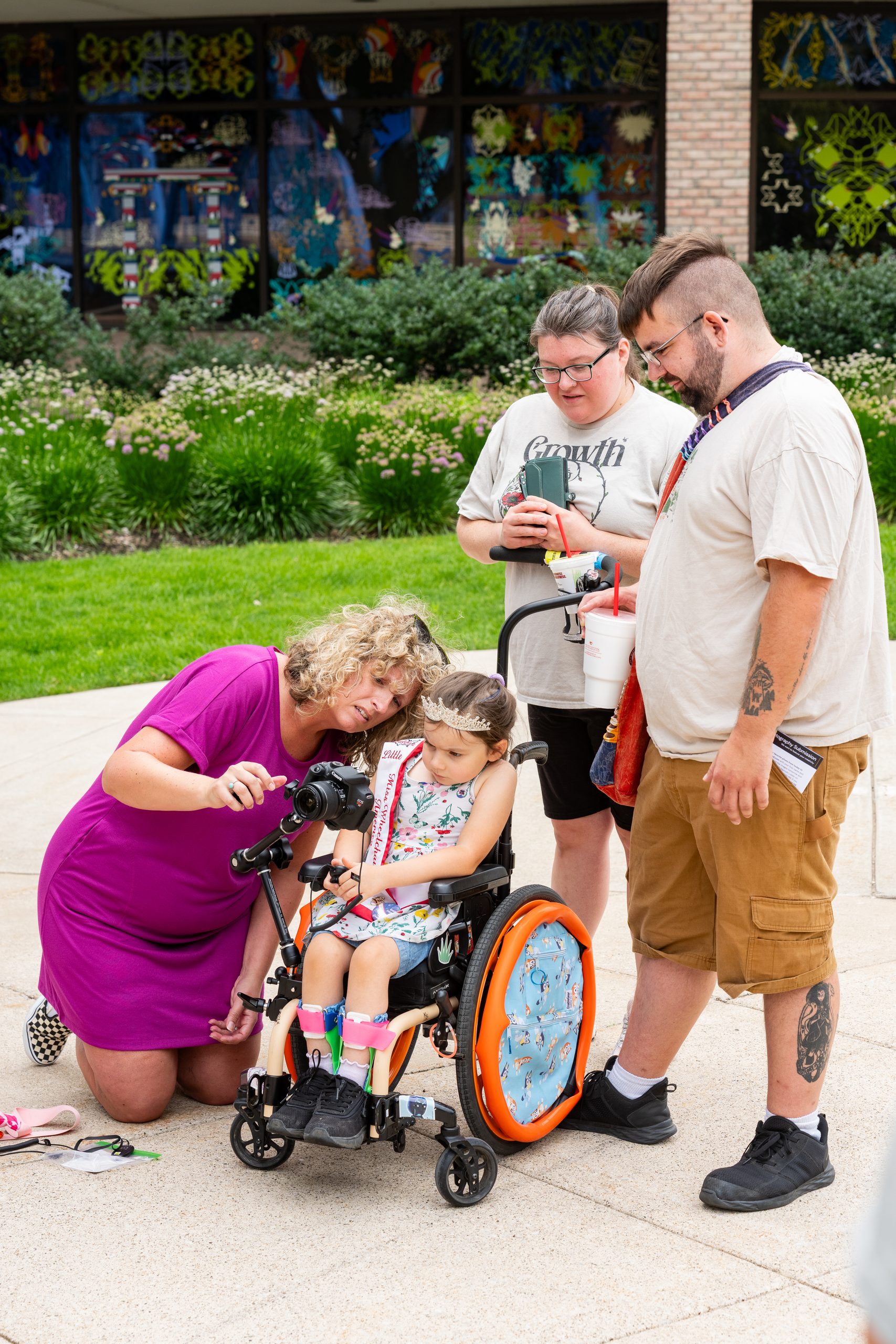
Along the river and through the city, participants worked with cameras and phones. They explored framing, angles, light, and shadow, with support available along the way. The program also included the opportunity to submit a favorite photograph for a public showcase.
That attention to the whole experience matters. A camera within reach is one part of participation. So are a route someone can navigate, instructions they can follow, and enough time to try again. Together, these details created space for the curiosity and experimentation that make photography enjoyable.
How the gear helped bring the camera to the photographer
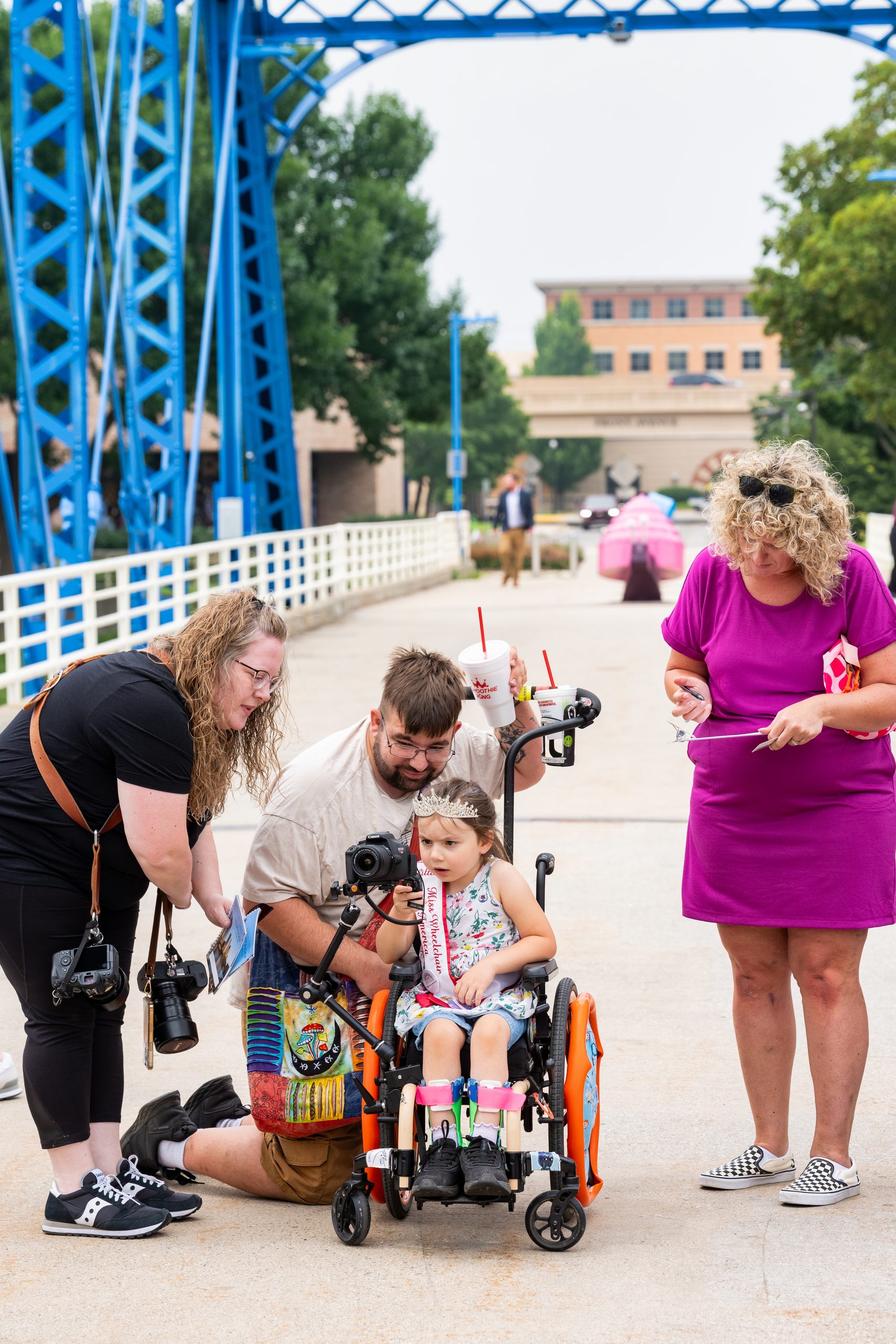
At the Viewfinder Event, Hopelynd combined Rock Solid Master Articulating Arms, clamps, the Rock Solid Tablet + Phone Mounting System, and the Rock Solid Camera Platform to create individual camera and phone setups.
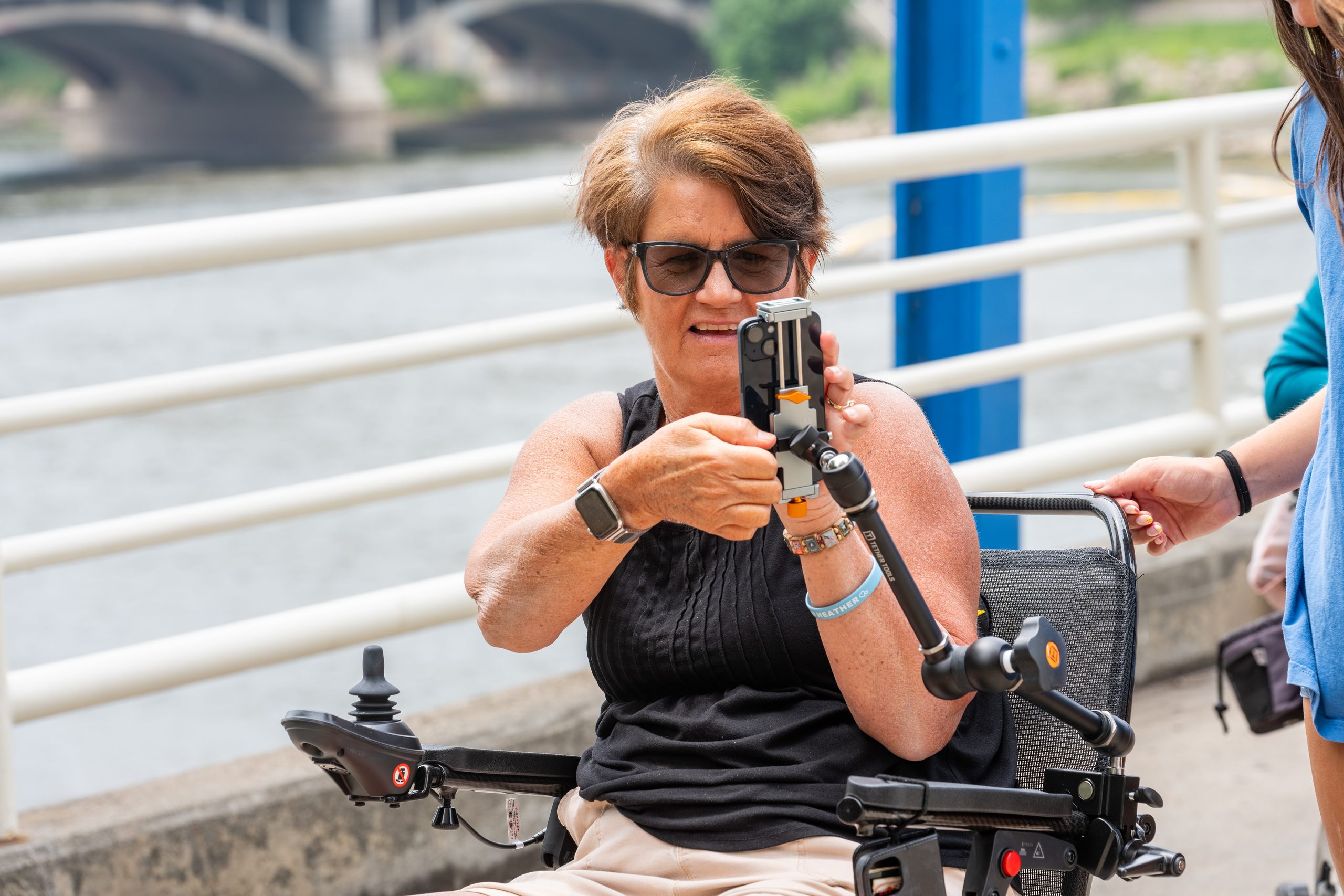
Together, these components gave the team flexibility in where gear could sit and how it could be supported. Cameras could be positioned in front of seated photographers, and a mounted phone could be placed close enough for its user to see and operate.

Each part had a distinct job:
- Rock Solid Master Articulating Arms provided adjustable positioning. The arms let the team change the equipment’s height, distance, and angle, then lock the chosen position. This made it possible to bring a device toward a comfortable working position.
- Clamps provided the attachment point. They connected the support assembly to a suitable structure, giving the arm a base from which to position the camera or phone.
- The Rock Solid Camera Platform connected the camera to the support. Its camera screw and compatible mounting receptors let the camera become part of the arm-and-clamp arrangement.
- The Rock Solid Tablet + Phone Mounting System supported a mobile device. It brought the same attention to positioning to a smartphone, making phone photography part of the experience alongside dedicated cameras.
The value came from assembling the parts around individual needs. Supporting a camera’s weight can reduce the effort required to hold it up. Adjusting its distance can make controls easier to reach. Repositioning a phone can put the image where its user can see it more comfortably.
For Tether Tools, this was a meaningful extension of a familiar purpose: helping photographers place their gear where it works best for them. Hopelynd brought the understanding of its participants; our mounting equipment gave the team options for putting that understanding into practice.
These were individualized adaptations of photography gear, with each setup shaped to meet the needs of its photographer. Compatible components, appropriate load limits, and a mounting location that preserves the mobility device’s operation and the user’s movement are essential to this kind of setup.
What makes a camera setup accessible
Adaptive photography means adjusting equipment, techniques, or the environment to support the person making the photograph. An accessible camera setup helps that person see the frame, reach the controls, support the equipment, and make creative choices in a way that works for them.
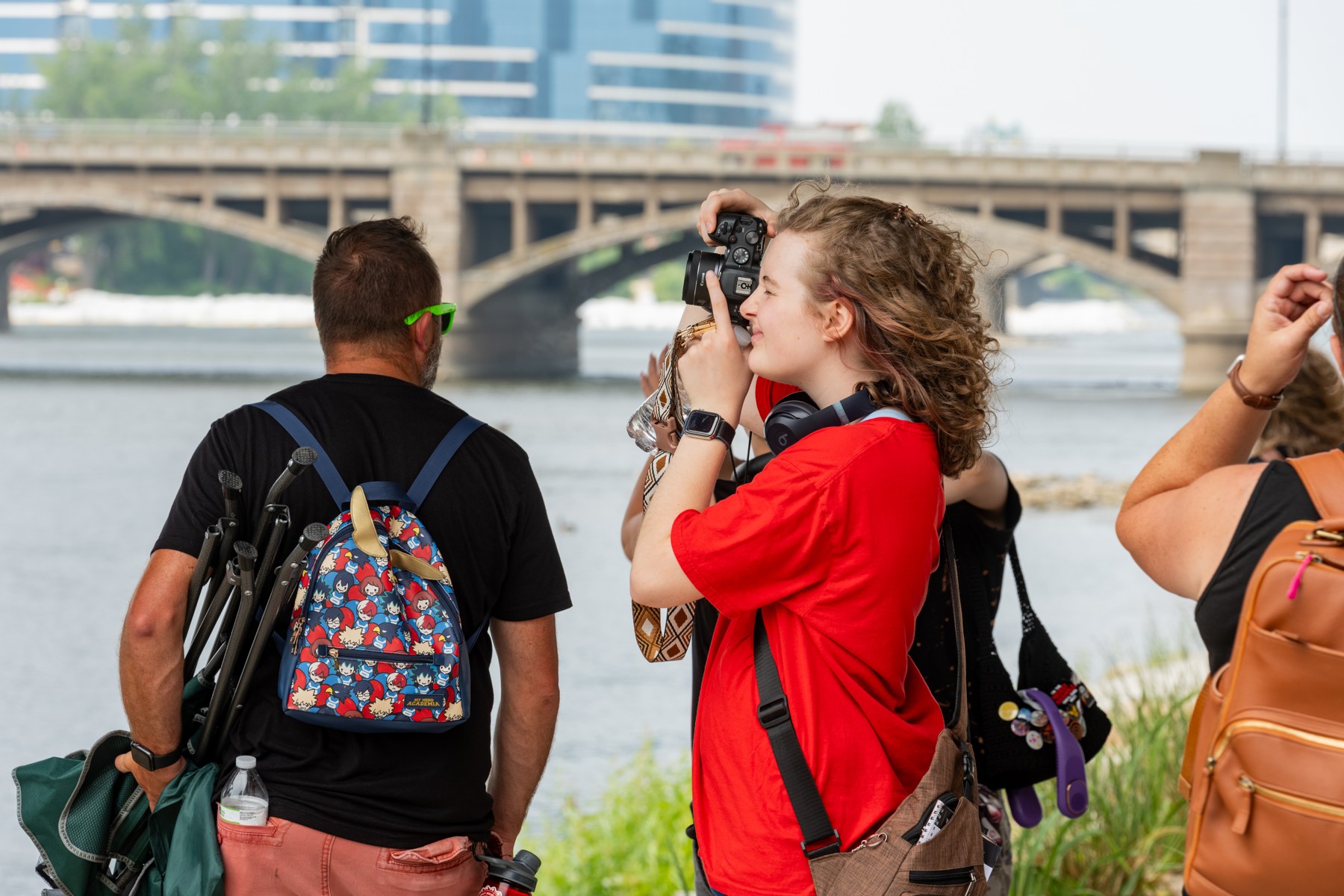
That looks different for every photographer. Someone may want support for a heavy camera. Another person may prefer a mounted phone, a different screen position, or help repositioning the equipment between shots. In each case, the equipment helps the photographer focus on their craft without distraction.
At the Viewfinder Event, those individual approaches came together in a shared experience. Participants explored the same city with different cameras, different setups, and their own ideas about what was worth photographing. The equipment supported the process while leaving room for each person’s perspective.
The freedom to enjoy making photographs
Photography offers the pleasure of noticing something and making it your own: the lines of a bridge, light on the river, or a detail that someone else might pass by. A setup that works comfortably can give a photographer more opportunity to stay with that idea, experiment with a composition, and see where it leads.
The Viewfinder Event made room for that experience through thoughtful support, shared learning, and tools that could be adapted to the individual. The public showcase extended the opportunity further, giving participants a place to share their work and inviting the community to see Grand Rapids through their eyes.
We’re proud that Tether Tools could support Hopelynd in making this experience possible. Our arms, clamps, and mounts helped bring the gear into position so the people using it could explore their creativity. That is what a more accessible photography experience can offer: more ways to participate, enjoy the process, and share a point of view.
Explore Hopelynd’s Viewfinder program and discover Tether Tools Rock Solid mounting options for building a setup around the way you create.
