

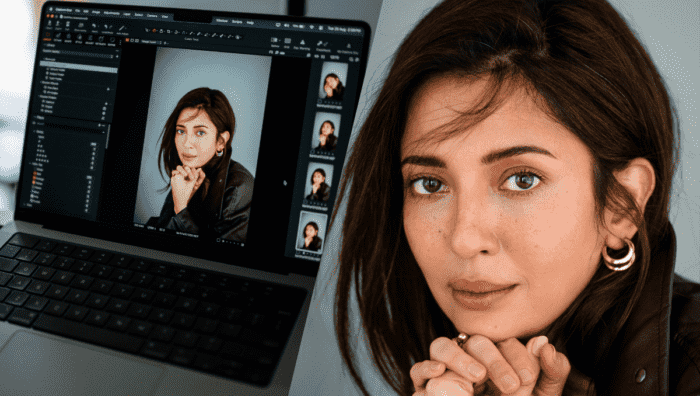
For portrait photographer Bharat Rawail, some of the strongest images begin with something deceptively simple: natural light.
There is no elaborate lighting setup behind the portrait featured here. Instead, Bharat worked with the light already present in the environment, allowing its softness and direction to shape the image. But working simply does not mean leaving things to chance.
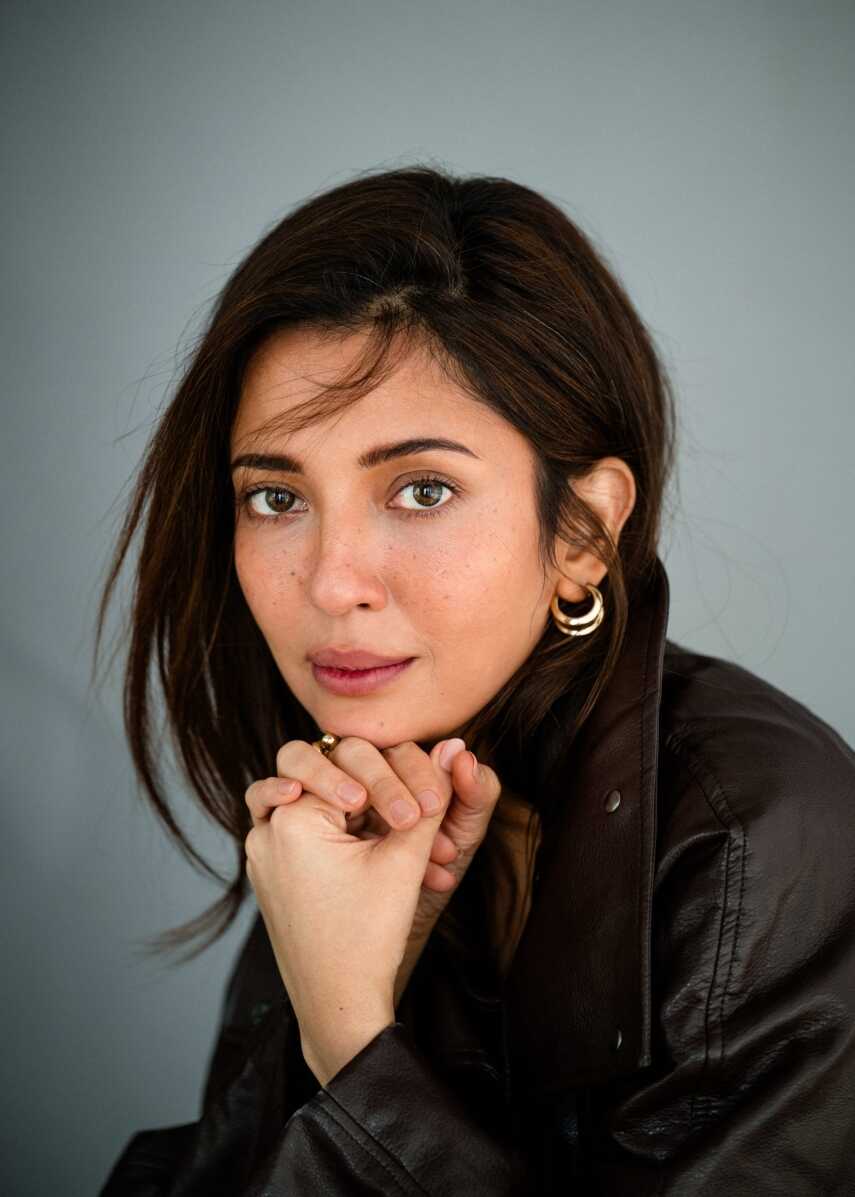
Natural light portrait by Bharat Rawail.
Natural light can change from one moment to the next. A passing cloud, shifting sun, or subtle movement from the subject can alter exposure, catchlights, skin tone, and the overall feeling of a portrait. Bharat’s response is a workflow that lets him embrace that unpredictability while maintaining close control over the details.
With his Nikon Z8 tethered to a MacBook Pro positioned beside him on an AeroTrac Workstation System, Bharat could see each photograph as it arrived and evaluate far more than what was visible on the back of his camera.
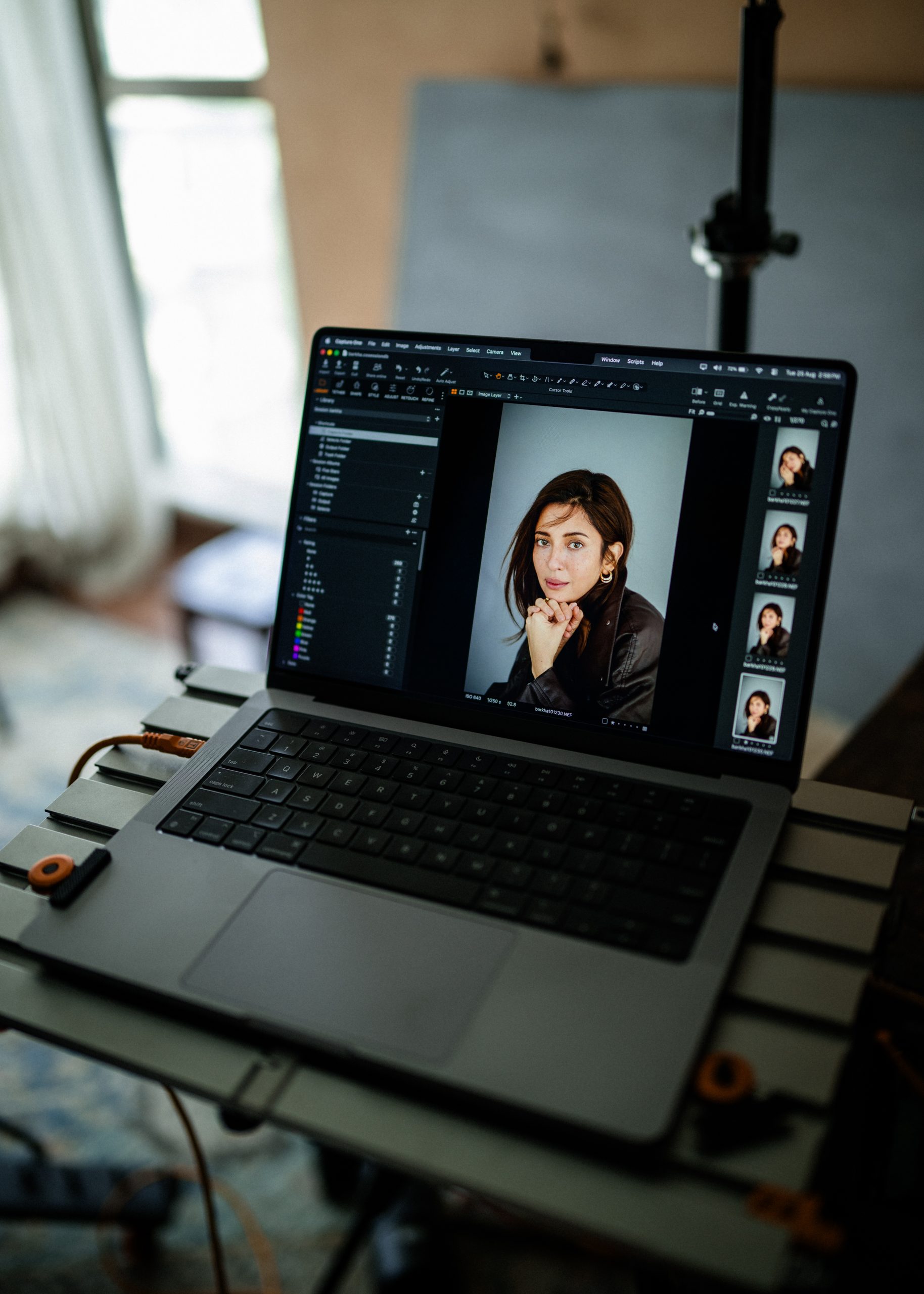
“Having my MacBook Pro right beside me on the AeroTrac setup, with the camera tethered throughout, meant I could constantly monitor the light, focus, expressions and all the finer details without interrupting the flow of the shoot.”
The result is a useful lesson in natural light portrait photography: sometimes a better photograph isn’t about adding more equipment. It’s about creating a workflow that helps you see more clearly.
Working With Natural Light Instead of Fighting It
The final portrait feels quiet and effortless. Soft, natural light draws attention to the subject’s face, while the neutral background and simple styling allow her expression to remain the focus.
Creating that simplicity, however, requires careful observation.
Unlike a studio light that can be positioned and maintained at a consistent output, natural light is constantly evolving. Its intensity, direction, and quality can shift throughout a shoot, which means a photographer has to continually evaluate how that light is interacting with the subject.
For a portrait photographer, working with those changes is part of the creative process. Rather than simply finding natural light and beginning to shoot, the photographer has to pay attention to how it falls across the face, where highlights and shadows are developing, how the eyes are catching the light, and whether the overall exposure still supports the intended look. As the available light changes, adjustments to the subject’s position, camera position, or exposure can help preserve the character of the portrait.
That ability to respond quickly was especially important during Bharat’s shoot.
“These portraits were created using natural light, which can change incredibly quickly during a shoot.”
Instead of relying solely on the Nikon Z8’s rear display to judge those subtle changes, Bharat kept his camera tethered to his MacBook Pro throughout the session. Positioned beside him on the AeroTrac Workstation System, the larger display gave him a clearer view of how the natural light was translating through the camera as he worked.
“Having my MacBook Pro right beside me on the Tether Tools AeroTrac setup, with the camera tethered throughout, meant I could constantly monitor the light, focus, expressions and all the finer details without interrupting the flow of the shoot.”
That real-time feedback becomes particularly valuable when shooting natural light portraits. If the light begins to shift, Bharat can see its effect on the image while the conditions are still unfolding—not after the session has ended. At the same time, he can evaluate critical focus, expressions, skin detail, and the smaller elements that can be difficult to judge accurately on a camera’s screen.
Photography Tip: Don’t Just Find Natural Light—Keep Reading It
When learning how to shoot portraits with natural light, finding a beautiful source of light is only the beginning. Continue watching what the light is doing throughout the session.
Look at its direction across your subject’s face, the balance between highlights and shadows, catchlights in the eyes, skin tones, and the way the background changes as the available light shifts. Then use what you see to determine whether your subject, camera position, or exposure needs to change.
A tethered display can make those subtle differences easier to recognize at a larger scale, giving you the information you need to make creative decisions while you’re still behind the camera.
For Bharat, that combination of observation and immediate image review means the technology isn’t replacing the photographer’s understanding of light; it’s giving him a better view of the decisions he’s already making.
Why Tethered Photography Matters for Portrait and Fashion Shoots
For Bharat, tethered photography isn’t simply a more convenient way to review photographs. It changes how the people around the camera participate in the shoot.
Fashion and commercial portrait photography are rarely created by the photographer alone. Hair stylists, makeup artists, creative directors, clients, and other members of the production team may all need to evaluate different details. When everyone is trying to look over a photographer’s shoulder at a small camera screen, that process can quickly become inefficient. Tethering creates a shared visual reference.
“With hair, makeup and the rest of the team close by, everyone can see the images coming in live and make adjustments immediately.”
That shortens the feedback loop. If hair needs adjusting, the team can see it. If makeup responds differently as the light changes, it can be addressed. If a particular expression or angle is working especially well, everyone can recognize it and build from it. Most importantly, those conversations happen during the shoot rather than afterward.
A Faster Feedback Loop Without Breaking the Connection
There is another reason Bharat’s setup is particularly suited to portrait photography: proximity. His AeroTrac workstation keeps the MacBook Pro close to where he is shooting, so he doesn’t have to repeatedly leave his subject to walk across the set and review images at a separate station.

That may sound like a small consideration, but portrait photography depends heavily on momentum. The connection between photographer and subject can produce the subtle shifts in posture, expression, and emotion that transform a technically good frame into a compelling portrait. Constantly stopping to troubleshoot equipment or move between the camera and computer can interrupt that rhythm.
Bharat’s portrait photography workflow is designed to minimize those interruptions. He can shoot, review, communicate, and continue.
“For portrait and fashion work, that really helps improve both the speed and productivity of the shoot.”
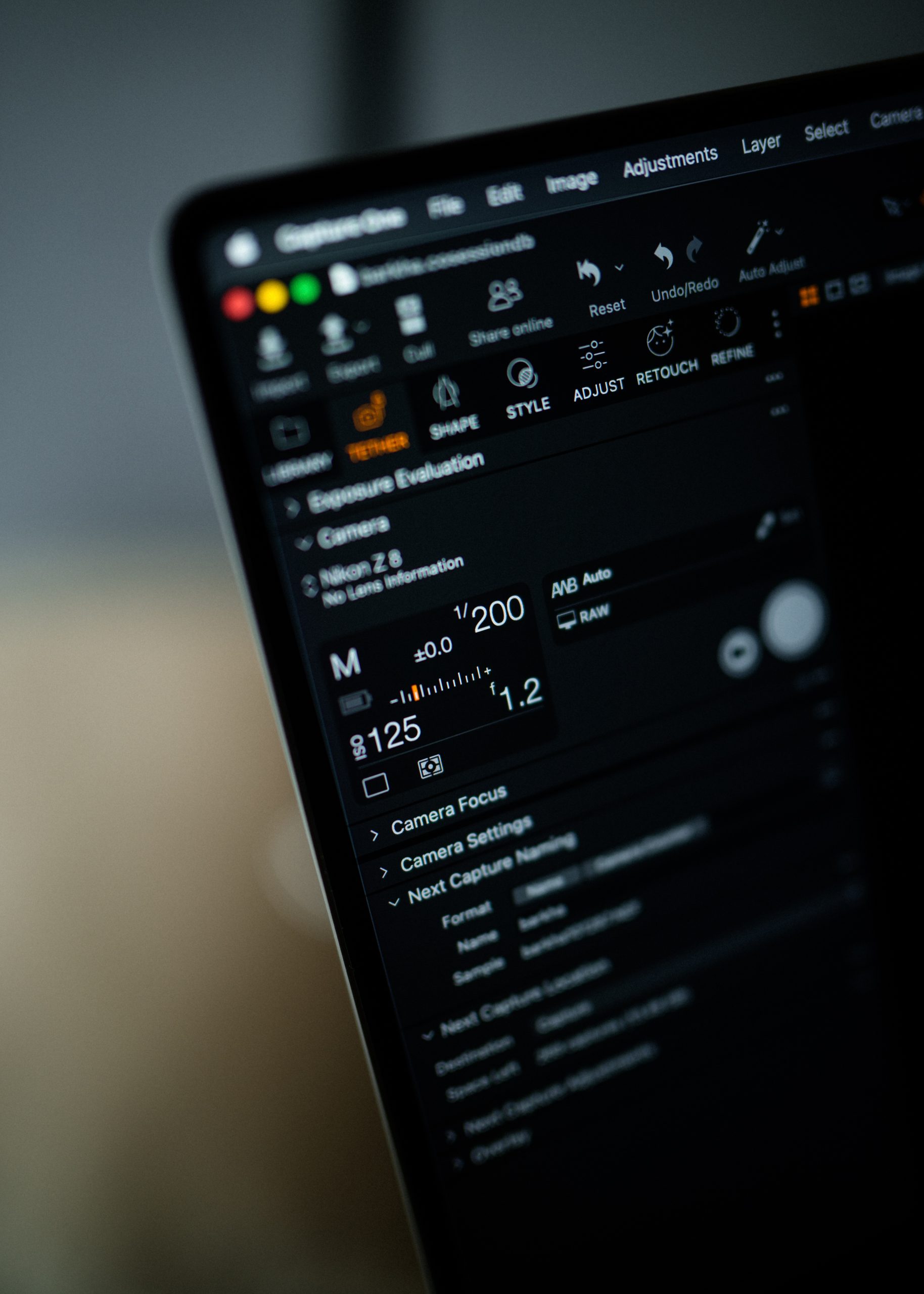
That balance between technical precision and human connection is central to Bharat’s work. His photographs may be carefully considered, but the technology surrounding the shoot is there to support the relationship with the subject, not become the center of it.
Building a Mobile Tethered Photography Workstation
Bharat’s setup for this shoot was deliberately streamlined:
| GEAR | USED ON THE SHOOT |
| Camera | Nikon Z8 |
| Lens | NIKKOR Z 50mm f/1.2 S |
| Computer | MacBook Pro |
| Workstation | Tether Tools AeroTrac Workstation System |
| Tethering cable | TetherPro Optima 10G USB-C |
Together, the setup gives Bharat a mobile workstation positioned directly alongside his shooting area. The AeroTrac Workstation System provides the physical foundation for the laptop-based workflow, while the TetherPro Optima 10G connection supports the tethered transfer of captures for immediate review.
Rather than treating tethering as a separate step after pressing the shutter, Bharat makes image review part of the act of photographing.
What Fashion and Commercial Photographers Can Take From Bharat’s Workflow
Bharat’s process offers an important takeaway for photographers building a professional fashion photography workflow or commercial photography workflow: efficiency isn’t necessarily about shooting faster. It’s about reducing the time between seeing something, evaluating it, and acting on it.
When images can be evaluated as they’re captured, photographers and their teams have an opportunity to solve problems while the subject, styling, lighting, and set are all still in place. For a portrait photographer, that could mean catching focus or a fleeting expression. For a fashion photographer, it might mean noticing a garment, hair, makeup, or styling detail. For a commercial photographer, it can mean giving clients and creative teams greater visibility into what is being captured before the production moves forward.
The technology recedes into the process, while better communication takes its place. And that is very much in keeping with Bharat’s philosophy: his photographs may be technically precise, but technology isn’t what viewers are supposed to notice. They’re supposed to notice the person.
Meet Tether Tools Pro Team Photographer Bharat Rawail
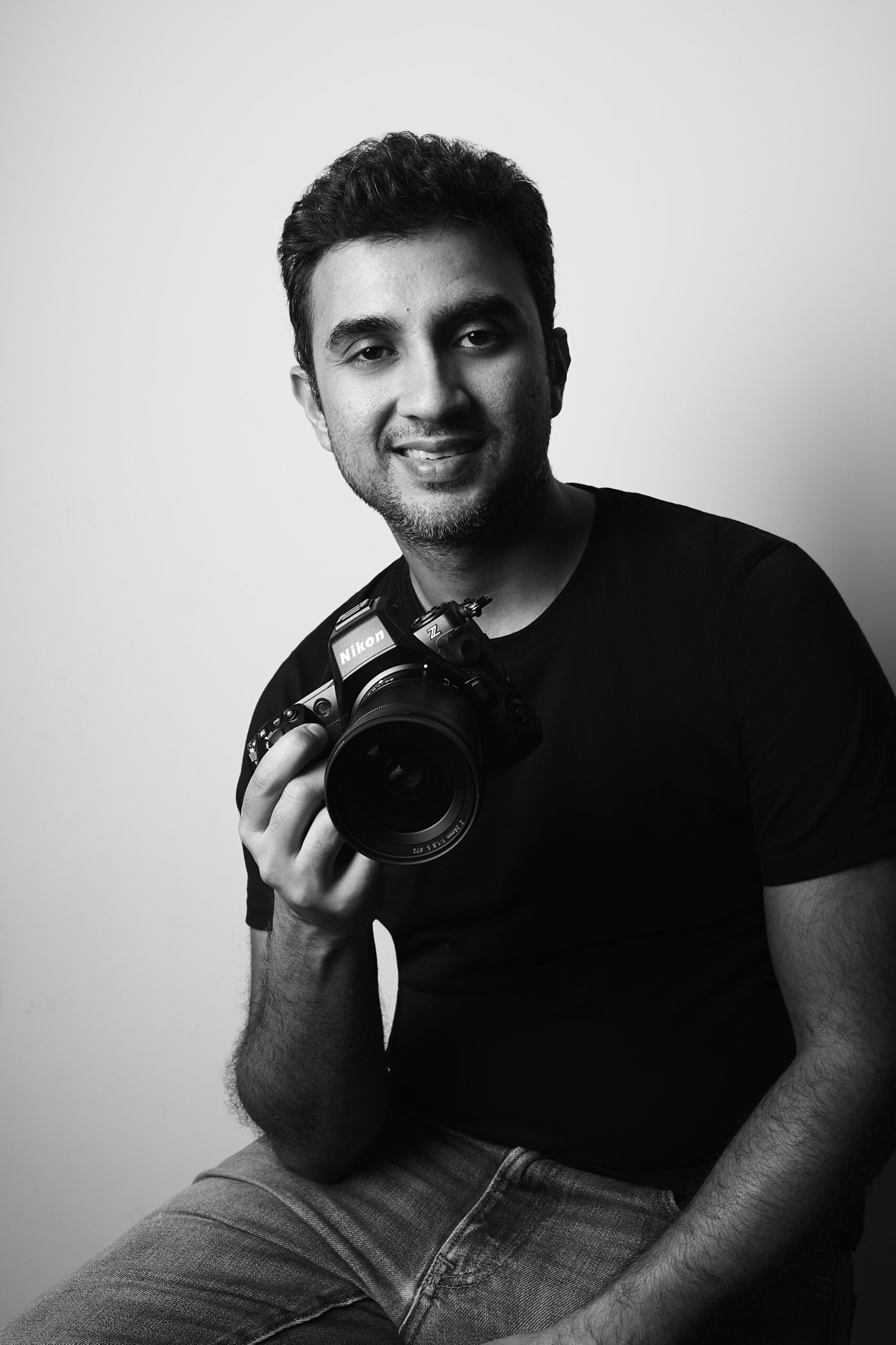
Bharat Rawail’s path to photography began long before he stepped behind the camera professionally. Before becoming a photographer, Bharat spent more than 15 years at Yash Raj Films, where his roles included Chief Assistant Director, 1st Assistant Director, Creative Supervising Producer, and Executive Producer. Those years immersed him in visual storytelling and helped shape the cinematic sensibility he would eventually bring to still photography.
Today, Bharat photographs celebrities, actors, models, entrepreneurs, and influential personalities across India and internationally. His work spans celebrity portrait photography, fashion, commercial campaigns, hospitality, advertising, and professional headshots, with a style grounded in simplicity, elegance, and authentic human connection.
His portfolio includes work with Ranveer Singh, Rani Mukerji, Ahaan Panday, Kartik Aaryan, Triptii Dimri, Shahid Kapoor, Sharvari, Samantha Ruth Prabhu, Tiger Shroff, Sara Ali Khan, Arjun Kapoor, Rajkummar Rao, Sonam Kapoor, Aditi Rao Hydari, Tamannaah Bhatia, and more.
A designated Nikon Ambassador in India, Bharat continues to bring together the visual language of cinema and the immediacy of photography, creating work that feels polished without losing the human connection at its center.
We’re proud to welcome Bharat Rawail to the Tether Tools Pro Team and look forward to sharing more of his work, creative process, and professional photography workflow with the Tether Tools community.
Explore Bharat Rawail’s Work • Meet the Tether Tools Pro Team
